What this work is made with
This page is an inventory, not a story. We list the things that hold the work together—each with its own shape, its own wear, and the small, stubborn changes it has made.
A kitchen is not just a place; it is the sum of what you touch, what you trust, and what you learn from when it fails you.
This is *Pie Recipes Tin*, where tradition meets bold flavors. The site collects recipes, techniques, and the quiet moments between bites—all of it shaped by the tools that make it possible. The list below is how we prove it.
The things that do the work
Four things carry the weight of every recipe here. They are not special; they are necessary. One is worn thin from overuse. Another was never meant for this job but refuses to quit. All of them have taught us something we would not have learned otherwise.
The cast-iron skillet
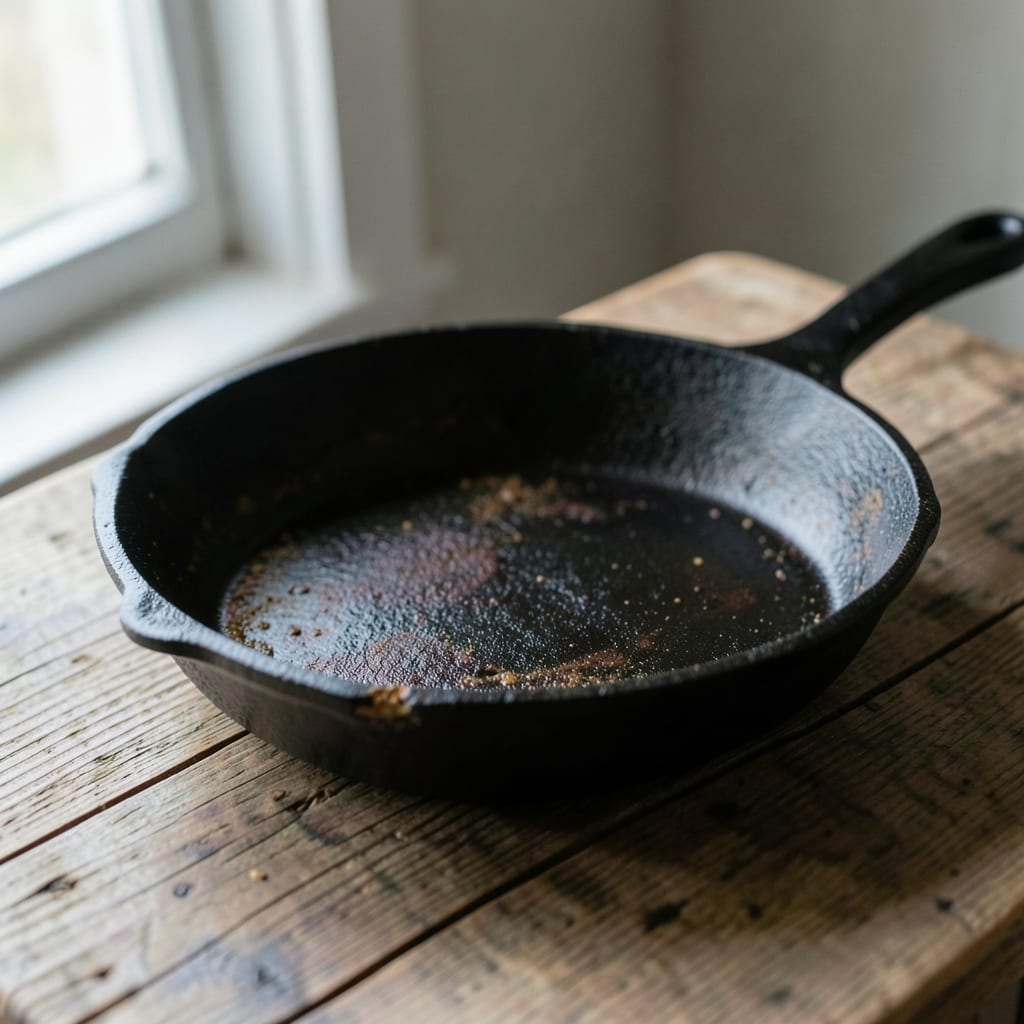
A 10-inch skillet with a handle warped from years of uneven heat. It arrived in 1987, passed down from my grandmother, who used it to fry dough for hand pies before I could reach the counter.
The warping started when I was 12, after I left it too long over the burner while stirring a batch of dumplings.
It changed how we cook here: no recipe calls for anything less than medium heat, and every pan sauce is built slowly, because this one cannot take the rush.
It also means we never use nonstick—peeling food off a well-seasoned surface is the only way to keep the crusts from tearing.
The wooden rolling pin
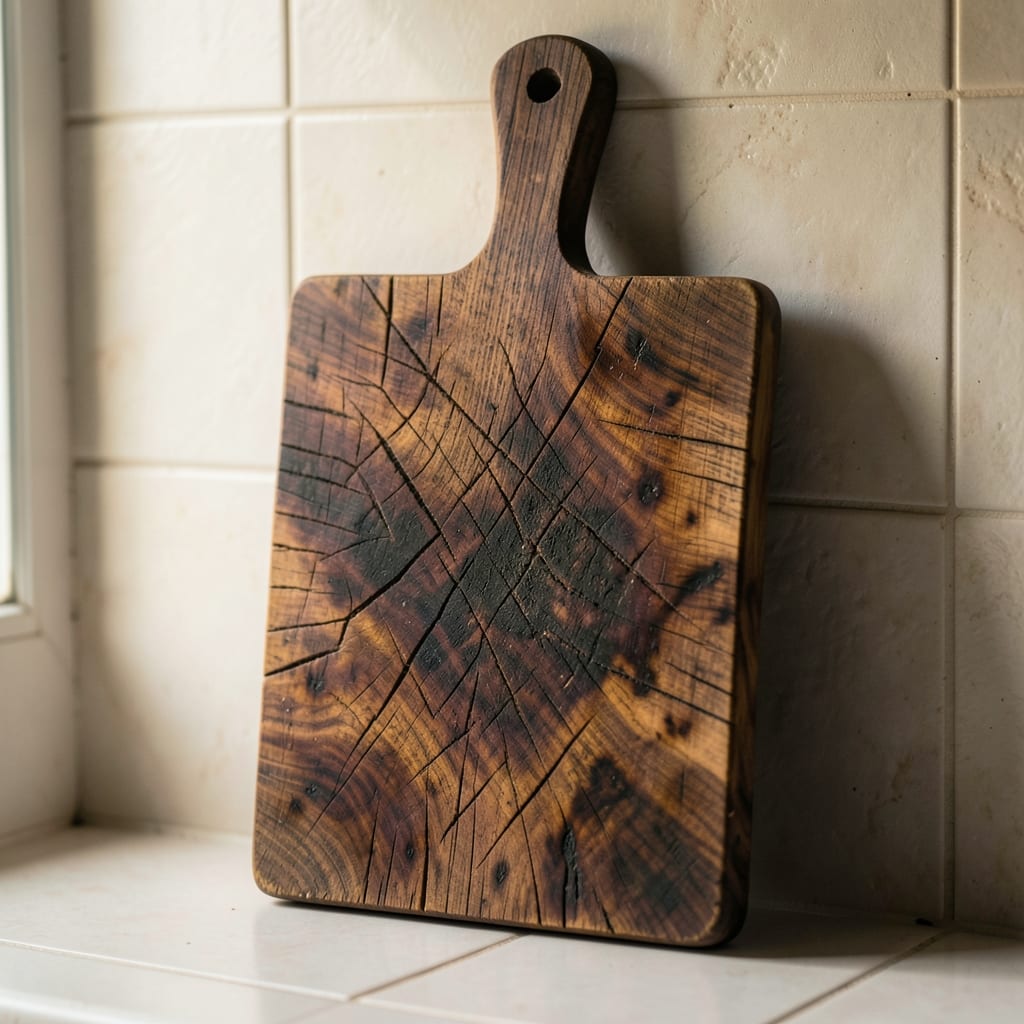
A smooth, unmarked beech pin, bought in a thrift store for two dollars when I was 23. It has no handle—just a thick, heavy cylinder—and it splits the dough for pie crusts like butter. The grain is worn smooth in the center from decades of use by someone else’s hands.
It taught us that perfection is a myth. The pin leaves faint ridges in the dough, no matter how gently you roll. Those ridges become the lattice on a lattice-top tart, and the imperfections? They’re the reason people pause to admire the plate before they eat.
The potholder with the burned hole
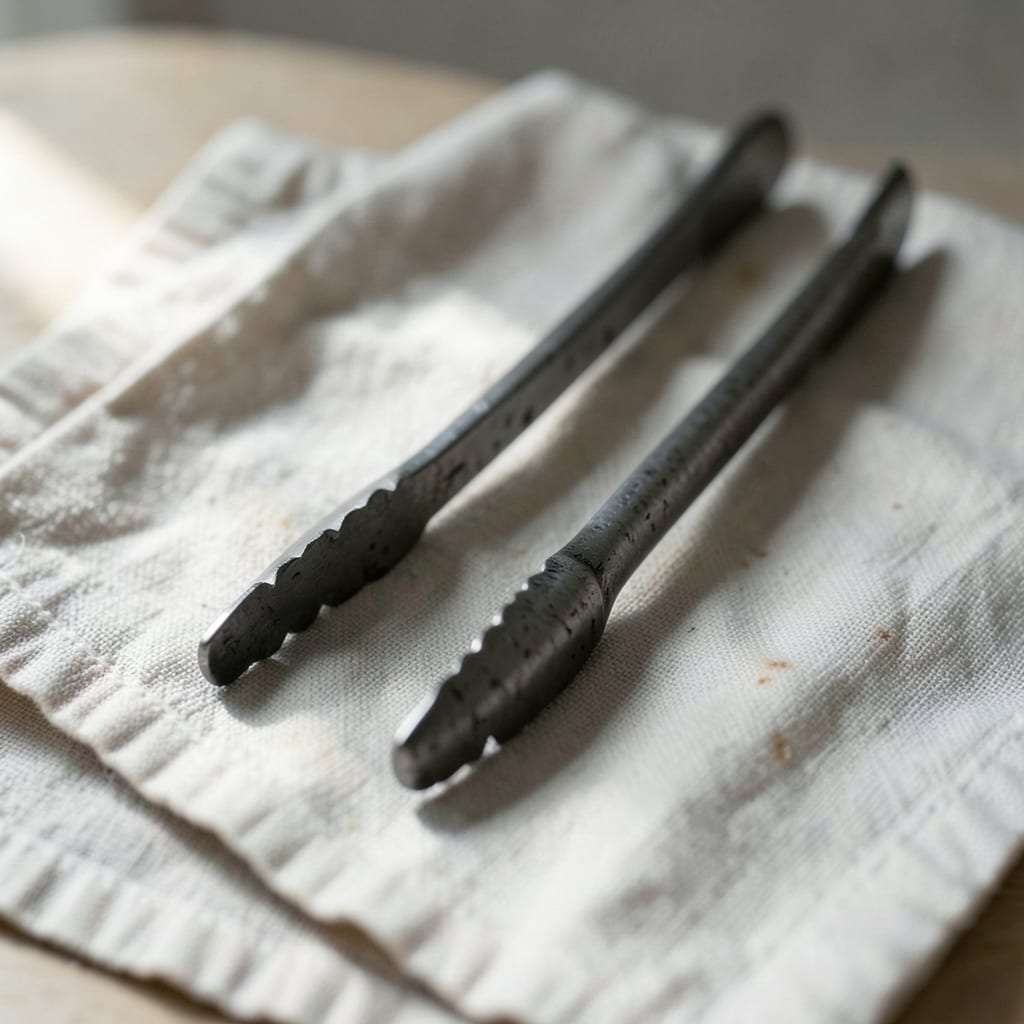
A single, threadbare cotton potholder, held together by a safety pin. The hole in the center is the size of a quarter, burned through years ago when I dropped a hot pan on it while reaching for the salt.
The edges are singed black, but the fabric underneath is still soft.
It reminds us that mistakes are part of the process. We keep it on the stove because it works—just barely—and because it proves that even the broken tools are the ones that matter. No one buys a new potholder for a burned hole; they patch it and use it again.
The aluminum cooling rack
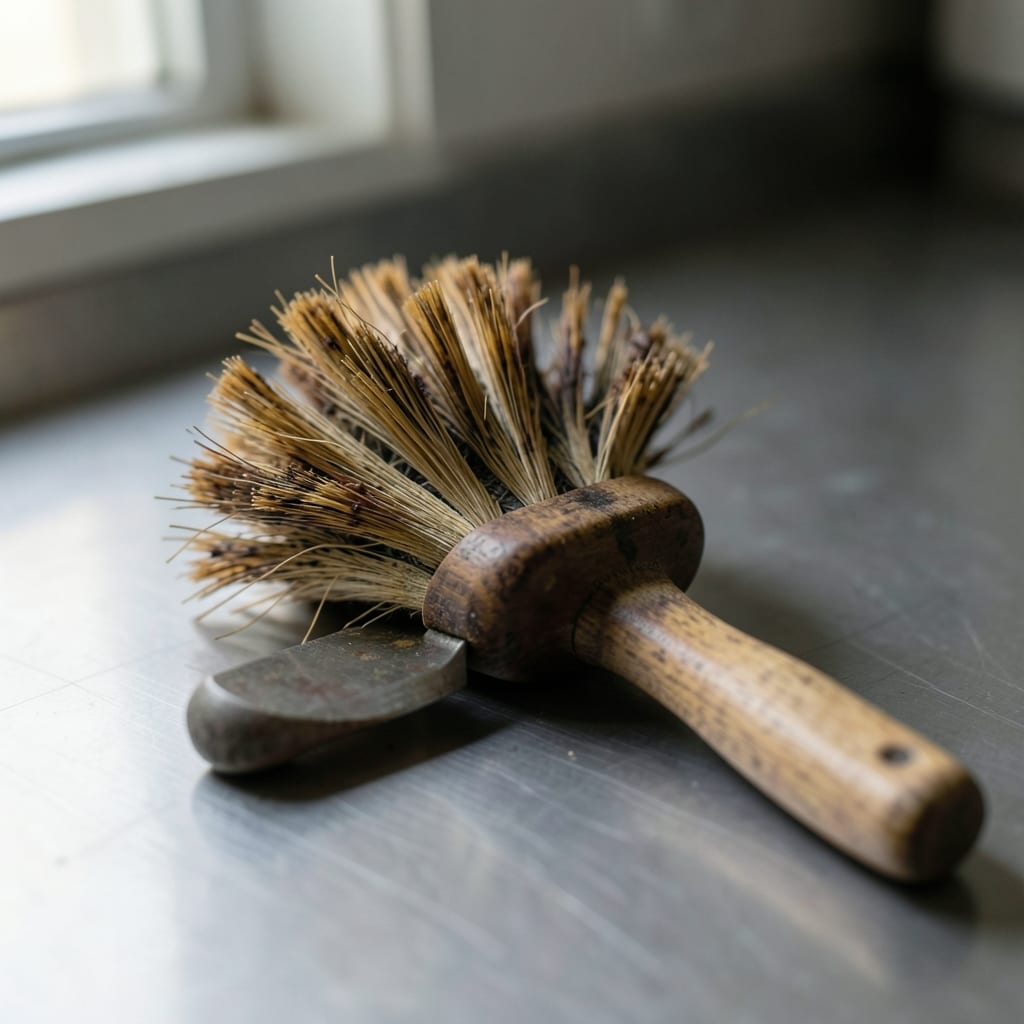
A flimsy, dented rack from a restaurant supply store, bought for five dollars. It’s the only thing in the kitchen that isn’t heirloom or hand-me-down; it’s cheap, utilitarian, and it wobbles when you press too hard. The legs bend if you set a pie on it too soon.
It forced us to slow down. Cooling racks are for show, but this one is for patience. A pie straight from the oven will collapse if you rush it, so we wait—even when the kitchen is hot and the hands are eager.
The wobble is the only thing keeping us honest.
What is not in the drawer
Some tools are left out by choice. This is not a site for gadgets, precision, or shortcuts.
Deliberately absent
- Electric mixers—hands and time build better texture.
- Food scales—eyeballing is an art, not a science.
- Nonstick pans—nothing should slip off a surface that’s earned its crust.
- Recipe apps—paper, pencil, and memory hold the real magic.
Behind the scenes
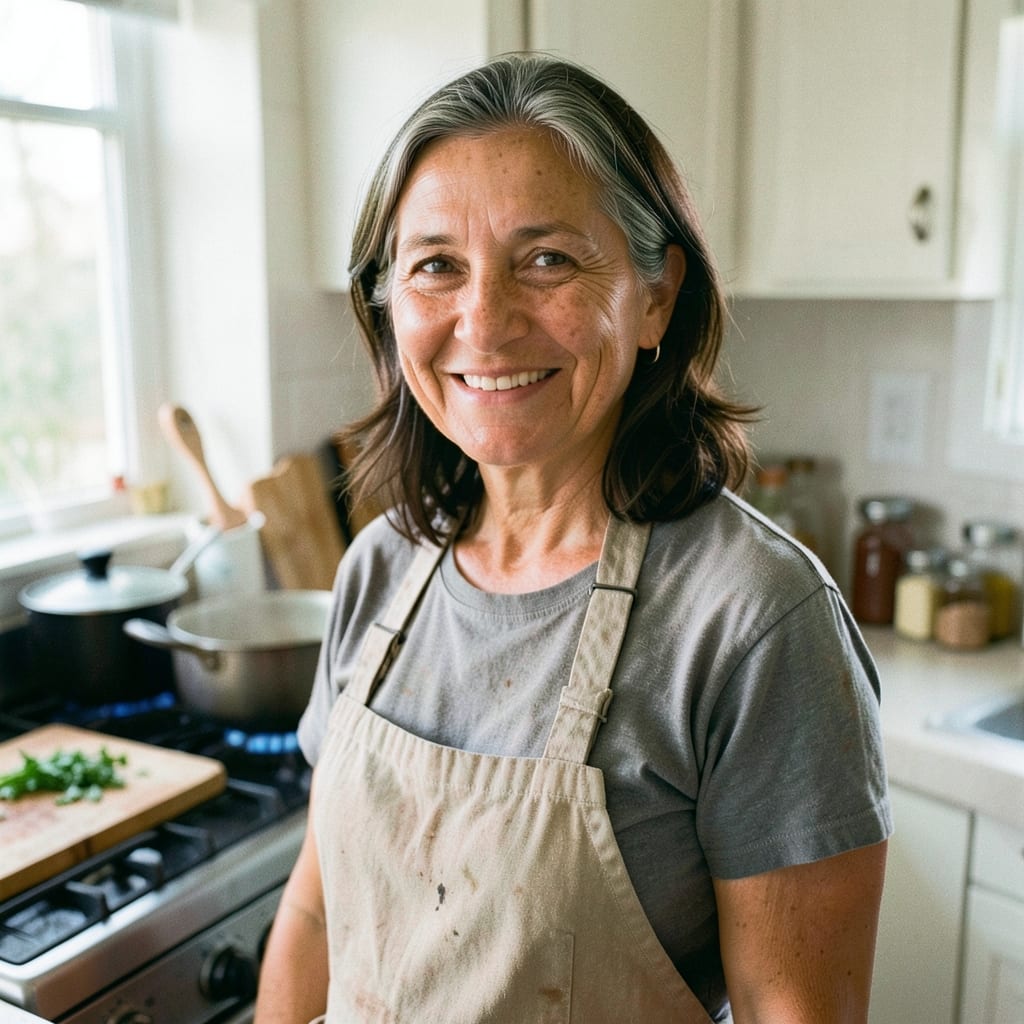
Sonia Everson
I am Sonia Everson, the founder and editor of *Pie Recipes Tin*. I am the one who tests every recipe, who burns the crusts, who licks the spoons clean before the photos, and who still can’t resist sneaking a bite of dough before it goes into the oven.
I came to this from my mother’s kitchen in a small house in Maine, where the stove was always on and the table was always set for dinner.
She taught me to measure by taste, not by lines on a cup, and to trust the smell of butter in a hot pan more than any clock. When she handed me the cast-iron skillet at 16, she said, *‘This is yours now. Treat it like family.’*
This work has given me a permanent flour burn on my left thumb—from pressing too hard when rolling dough—and a habit of noticing the way light hits a pie crust just before it’s done.
I used to think baking was about following steps; now I know it’s about listening to the things around you.
I am here to make sure no recipe here feels like a lesson. Every page should taste like something you’d reach for when the house is quiet and the hands are steady.
That’s what these tools—these *things*—have taught me: the best flavors come from what you already have, not what you’re told you need.
Why any of this matters to you
The cast-iron skillet, the rolling pin, the burned potholder, the wobbly rack—they are not just tools. They are the reason a page here will never feel like a list of instructions.
They are the reason the dough might tear, the crust might brown unevenly, and the pie might need an extra 10 minutes in the oven. Those flaws? They’re the proof it was made by hand.
You’ll find no perfect measurements, no foolproof methods, and no promises.
What you *will* find is the sound of a spoon scraping the bottom of the pan, the way a lattice crust catches the light, and the quiet satisfaction of a recipe that feels like it was made for *you*, not for a screen.
If that’s the kind of kitchen you want to cook in, the contact page is where to start.
Every recipe here is shaped by the things that refuse to be ignored: the skillet that won’t heat evenly, the pin that leaves its marks, the rack that wobbles. That’s not a flaw—it’s the difference between a page and a meal. Come back when you’re ready to cook with your hands, not just your eyes.
The recipes are grouped by category: Appetizers, Beverages, Breakfast & Brunch, Desserts, Main Courses and Reviews.