
Desserts
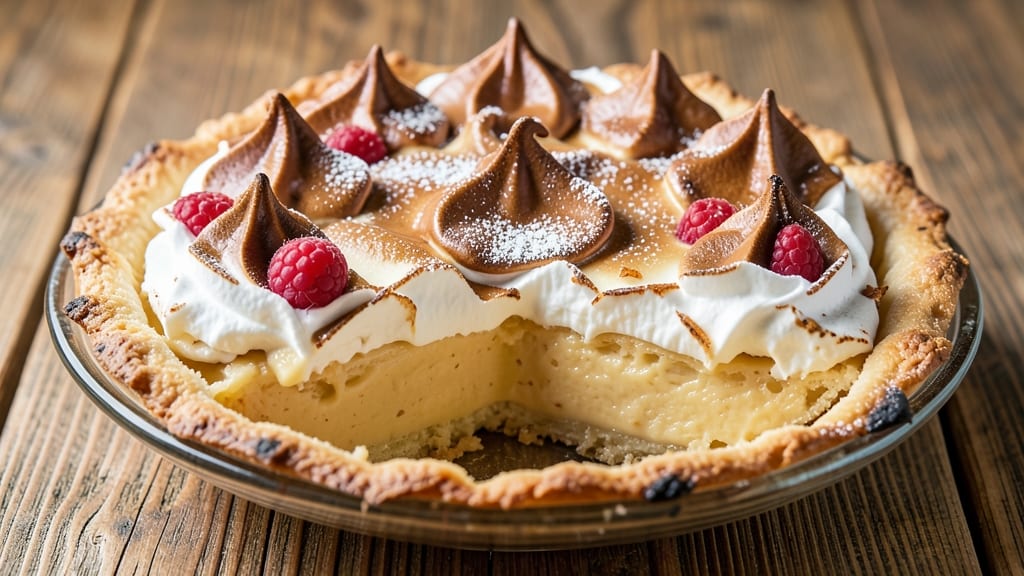
This African American chess pie recipe preserves a beloved Southern tradition that blends rich custard with a buttery crust, creating the perfect balance of creamy and crumbly. 💛 The name "chess pie" comes from its checkered appearance when sliced, but its roots run deeper—this dessert has been a staple in African American kitchens for generations, often served at family gatherings and holidays.
The recipe begins with a simple yet sturdy crust, followed by a velvety vanilla custard filling that's both comforting and elegant. Unlike traditional custard pies, chess pie often includes a touch of cornmeal or flour to give it that signature texture.
Baking at the right temperature ensures a golden crust while keeping the custard silky smooth inside—no lumps or overcooking allowed.
What makes this pie truly special is its versatility. While the classic version relies on vanilla and butter, regional variations might include bourbon for depth or pecans for crunch.
The aroma alone—warm vanilla, buttery crust, and a hint of cornmeal—will transport you to a Sunday dinner table where laughter and love fill the air.
Perfect for potlucks, family dinners, or holiday celebrations, this chess pie delivers on both tradition and taste. The best part? It's easier to make than you think, with simple ingredients and a foolproof method that's been passed down through generations. Let's get started on this Southern classic.
Ingredients for african american chess pie
Twelve simple ingredients for a pie that tastes like Southern love and tradition.
| Ingredient | Amount | Notes |
|---|---|---|
| All-Purpose Flour 🌾 | 2 cups | For sturdy crust texture |
| Unsalted Butter 🧈 | 1 cup | Cold, cubed for flaky crust |
| Granulated Sugar 🍚 | 1 ½ cups | White or light brown |
| Large Eggs 🥚 | 4 whole | Room temperature for smooth filling |
| Pure Vanilla Extract 🌿 | 2 tbsp | High-quality bourbon vanilla preferred |
| Heavy Whipping Cream 🥛 | 1 ½ cups | Full-fat for richness |
| Cornmeal 🌾 | ¼ cup | Fine-ground for smooth texture |
| Salt 🧂 | ½ tsp | Fine sea salt preferred |
| Ground Black Pepper 🌶️ | ¼ tsp | Freshly ground for warmth |
| Bourbon 🥃 | 2 tbsp | Optional, for depth (optional) |
| Ice Water 💧 | ½ cup | For crust dough |
| Pecans 🌰 | ½ cup | Chopped, optional topping |
The crust is where it all starts. King Arthur flour or Bob's Red Mill makes the difference here—both give that signature tender crumb. Unsalted butter is a must (the salt is already accounted for), and cold cubes are key for flaky layers. I always buy my butter from Whole Foods or Trader Joe's—their European-style versions have higher fat content. For the cornmeal, Martha White is the classic choice, but any fine-ground will work. The secret? Don't overwork the dough—just mix until it comes together. That's it. Trust me on this.
No bourbon? Vanilla bean paste adds depth without the alcohol kick, or just use extra vanilla extract. The pecans? Store-bought chopped works fine, but toast them first for extra flavor. Short on cornmeal? All-purpose flour at the same amount keeps the texture close. The eggs should be at room temperature—cold eggs can make the filling lumpy. And if you're feeling fancy, add a pinch of cinnamon to the filling for warmth. The crust goes in first, then the custard filling, then it's back in the oven for that golden finish.
This pie keeps beautifully—3-4 days in the fridge if wrapped tightly with plastic. The filling actually gets better overnight as flavors meld. For serving, I like to dust with powdered sugar and add those toasted pecans right before cutting. Freezes well too—up to 3 months if you wrap it properly. The crust stays crisp, and the custard? Still silky. Perfect for making ahead for holiday gatherings.
Why You'll Love This Recipe
- You’re using pantry basics here: sugar, eggs, butter. No specialty ingredients, no markup. The leftovers? Even better cold, sliced thick—perfect for breakfast or a midnight snack when nothing else sounds good.
- No-Fuss Foundation: I swear by this crust—just flour, butter, and a pinch of salt. It’s the kind of pie dough that forgives overworked hands and still delivers that buttery, flaky magic without the fuss of chilling or rolling.
- Sweet Vanilla Hug: That vanilla extract? It’s not just flavoring—it’s the soul of this pie. The sugar caramelizes into a glossy, crackly top while keeping the custard silky smooth underneath. Honestly, the first bite makes me close my eyes.
- Crowd-Pleaser Always: Bring this to a potluck and watch it disappear. It’s the dessert that works for brunch, holiday dinners, or even a lazy Sunday afternoon. Between us, my in-laws request it every Thanksgiving—no one turns it down.
Step-by-step instructions for Southern vanilla swirl chess pie
This classic Southern dessert delivers a perfect balance of flaky crust and velvety vanilla filling—just like Grandma used to make!
👨🍳 Step 1: Make the Crust with Cold Butter and Ice Water
In a large bowl, combine the 2 cups all-purpose flour, 0.5 tsp salt, and 0.25 cup cornmeal. Cut in the 1 cup cold cubed unsalted butter using a pastry cutter or your fingers until the mixture resembles coarse crumbs with pea-sized butter pieces. This ensures flaky layers later.
Add the 0.5 cup ice water gradually, 1 tablespoon at a time, mixing gently with a fork until the dough just comes together. The dough should hold when pressed but not be sticky. Divide it into two equal parts, flatten into discs, wrap in plastic, and chill for 30 minutes. This resting step prevents shrinking when baked.
🍳 Step 2: Prepare the Vanilla Filling with Bourbon Infusion
In a medium saucepan, whisk together the 1.5 cups granulated sugar, 1.5 cups heavy whipping cream, 2 tbsp pure vanilla extract, and 2 tbsp bourbon (if using). Cook over medium-low heat, stirring constantly, until the mixture thickens enough to coat the back of a spoon—about 8-10 minutes. This should take about 160°F on a candy thermometer.
Remove from heat and let cool for 10 minutes, stirring occasionally. The filling should thicken further as it cools. In a separate bowl, whisk the 4 whole large eggs until smooth, then gently fold them into the warm cream mixture. This tempering step prevents scrambling the eggs from the heat.
🥘 Step 3: Assemble and Bake the Chess Pie
Preheat your oven to 375°F. Roll out one of the chilled dough discs on a floured surface to fit a 9-inch pie dish, leaving a 1-inch overhang. Transfer to the dish and trim the edges. Roll out the second dough disc to fit a 9-inch pie plate—this will be your lattice top.
Pour the vanilla filling into the crust-lined pie dish. Cut the top dough disc into 1-inch wide strips using a sharp knife or pizza cutter. Arrange half the strips horizontally across the filling, spacing them ½ inch apart. Fold every other strip back slightly to create a classic chess pattern. Top with the remaining strips, alternating directions, and fold the ends inward to seal.
🔥 Step 4: Bake to Golden Perfection
Bake the chess pie on the middle rack for 45-50 minutes, until the crust is deep golden brown and the filling is set but still slightly jiggly in the center. If the edges brown too quickly, cover them loosely with aluminum foil after 25 minutes. The filling should be thick enough to hold its shape when gently shaken.
Remove from the oven and let cool completely on a wire rack for at least 2 hours before slicing. This resting time allows the filling to fully set and the flavors to meld. Sprinkle with 0.5 cup chopped pecans just before serving for added crunch and Southern flair!
Pro Tips For Making African American Chess Pie
- Bake at 325°F—Not Hotter: Chess pie’s magic happens slow and steady. I learned this the hard way—blasting it at 375°F gives you a cracked top and a dense, underbaked center. The crust needs time to set while the custard gently thickens; 325°F is the sweet spot for even baking without rushing.
- Cut Cold Butter in Cubes: Skip the softened butter—this isn’t shortbread. Dice your unsalted butter into ½-inch cubes and toss them with the flour before adding liquid. The cold fat creates flaky layers in the crust, and it won’t melt into a greasy mess when you pour in the custard.
- Whisk Eggs Until Ribbon-Stage: The custard’s texture depends on this. Beat those eggs until they hold a slow ribbon when you lift the whisk—about 2 minutes longer than you think. Under-whisked eggs mean a runny pie; over-whisked ones make it tough. Find that middle ground, and your filling will be silky.
- Chill the Dough 30 Minutes: This isn’t the prettiest method, but it’s the tastiest. After mixing the crust, press it into the pan and refrigerate while you prep the filling. Cold dough = less shrinking, fewer cracks, and a crispier finish. (Yes, even if you’re impatient like me.)
Storing and reheating your leftovers
Refrigerator Storage
Wrap your chess pie tightly in plastic wrap or aluminum foil to preserve freshness. Store it in an airtight container with a paper towel on top to absorb any moisture. This keeps the crust crisp and the filling creamy for up to 3-4 days in the refrigerator.
I always let it cool completely before storing—this prevents condensation that can make the crust soggy. 💛
Freezer Prep
For longer storage, freeze your chess pie in a single layer before transferring to a freezer bag. Wrap it tightly with plastic wrap first, then place in the bag with all air squeezed out. Label with the date—it stays delicious for up to 3 months.
When ready to serve, thaw overnight in the fridge and reheat briefly in a 350°F oven for 15-20 minutes to restore the filling's silky texture.
Reheating Methods
For the best results, reheat your chess pie in the oven. Place it on a baking sheet and warm at 350°F for 15-20 minutes until the edges are golden and the filling is hot through.
If using the microwave, cover with a damp paper towel and heat in 30-second intervals on 50% power—this prevents the crust from becoming rubbery. Always check the internal temperature reaches 165°F for food safety.
Serving After Storage
Once cooled, dust with powdered sugar and add toasted pecans for that classic Southern touch. The flavors actually improve after storage as the custard thickens further. For extra flair, drizzle with warm bourbon caramel or serve with a scoop of vanilla bean ice cream.
This makes leftovers taste even more special—like a second dessert! ✨
Crust Refresh Tips
If the crust loses its crispness after storage, brush it with melted butter and bake at 375°F for 5-7 minutes before serving. This quick fix restores that golden, flaky texture.
For a make-ahead hack, bake the crust without filling, store it separately, then assemble and bake fresh when ready. This keeps everything perfect for gatherings. 💡
Nutrition facts
Frequently asked questions
Why is this pie called "chess pie" and what's the history behind it?
The name comes from the lattice crust pattern that creates a checkered look when sliced—like a chessboard! This Southern dessert has deep African American culinary roots, dating back to enslaved communities who adapted European custard pie techniques with local ingredients. The cornmeal in the filling was a clever way to stretch resources while adding texture. It became a staple at family gatherings and holidays, often made in large batches to share.
Can I make the crust without cornmeal? What's the best substitute?
The cornmeal adds that signature texture, but you can substitute with 1/4 cup all-purpose flour for the same amount. For extra richness, some cooks use 1/4 cup ground pecans or almond flour instead. Just remember that cornmeal gives the filling its slightly grainy contrast to the creamy custard—without it, the texture will be smoother. The crust itself can use any flour, but bread flour adds extra structure if you prefer a sturdier base.
How do I prevent the filling from getting lumpy when mixing the eggs?
Temper the eggs properly by whisking them separately first, then slowly folding them into the warm cream mixture. The filling should be around 160°F when you add the eggs—they should gently coat the back of a spoon but not be boiling. Work quickly but carefully, and avoid overmixing once the eggs are incorporated. If you see small lumps, strain the mixture through a fine-mesh sieve before pouring into the crust.
What's the best way to achieve that perfect lattice pattern?
Roll the top dough to 1/8-inch thickness for even strips. Use a sharp knife or pizza cutter to make clean 1-inch wide strips. Arrange half horizontally with 1/2-inch gaps**, then fold every other strip back slightly before adding the vertical strips. Press gently where they cross to seal. For extra stability, brush the strips with a little egg wash before baking. If the pattern gets messy, don't stress—it still tastes amazing!
Can I make this pie ahead for Thanksgiving or Christmas?
This is one of the best make-ahead desserts! For holiday prep, bake the pie 1-2 days ahead and store it at room temperature (covered loosely). The flavors actually deepen overnight. For longer storage, freeze it (up to 3 months) and thaw in the fridge before serving. Reheat briefly in a 350°F oven for 15 minutes to restore the filling's silky texture. Many families make chess pie days before gatherings—it's a labor of love that's worth the effort!