
Desserts
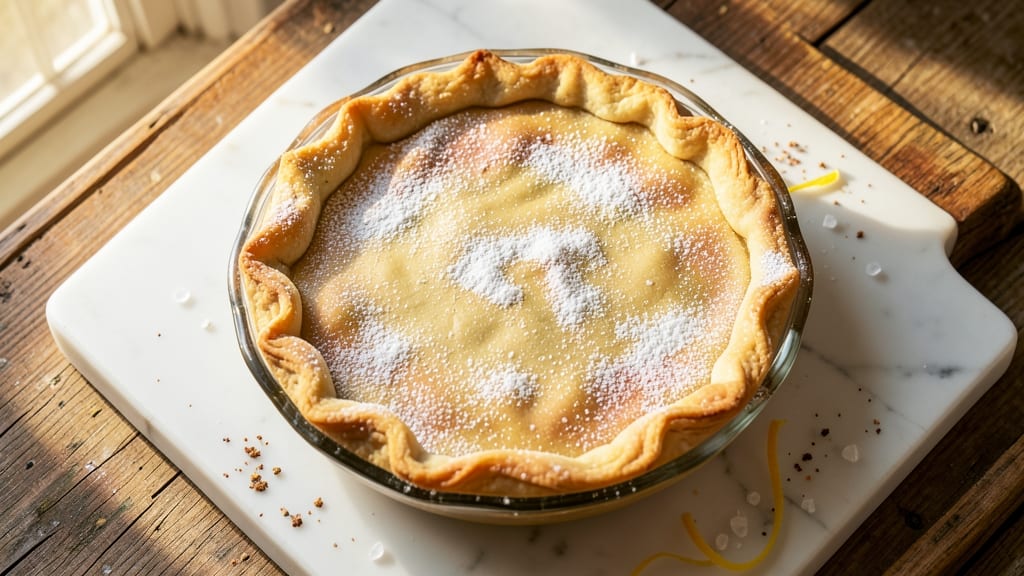
This all butter vodka pie dough recipe transforms ordinary crusts into layers of golden, shatteringly flaky perfection with an unexpected boozy depth. The secret? A splash of vodka in the dough, which tenderizes the gluten while adding a subtle, sophisticated warmth that pairs beautifully with both sweet and savory fillings.
I developed this recipe after years of perfecting pie crusts, and the vodka was the game-changer that elevated everything from classic apple pie to unexpected savory galettes.
What makes this dough special is its foolproof technique—cold butter cut into flour creates those signature flaky layers, while the vodka prevents toughness and adds a delicate aroma.
The dough rests overnight for maximum flavor development, ensuring a crispy, buttery crust that holds its shape even when loaded with filling. No rolling pin required; just press and fold for effortless handling, even for beginners.
By the time your pie emerges from the oven, you’ll have a crust that’s golden, crisp, and impossibly tender—with that signature flakiness in every bite.
The vodka’s influence is subtle but undeniable, adding a hint of warmth that complements both classic pumpkin pie and bold savory options like mushroom and caramelized onion. This isn’t just pie dough; it’s the foundation for showstopping desserts that taste like they came from a bakery.
The best part? This dough works for any pie—sweet, savory, or even as a perfect tart shell. Once you try it, you’ll never go back to ordinary crusts. Let’s get started on the recipe that will change how you bake forever.
Ingredients for all butter vodka pie dough
Four simple ingredients transform into golden, flaky layers with a hint of vodka sophistication.
| Ingredient | Amount | Notes |
|---|---|---|
| All-Purpose Flour 🌾 | 3 cups | Sifted for light texture |
| Unsalted Butter 🧈 | 1 ½ cups | Cold, cubed into 1/2-inch pieces |
| Vodka 🍶 | ¼ cup | High-proof, like Smirnoff or Ketel One |
| Ice Water ❄️ | ½ cup | Chilled for best results |
| Diamond Crystal Kosher Salt 🧂 | ½ tsp | Fine grain preferred |
| Granulated Sugar 🍚 | 1 tbsp | For subtle sweetness |
The butter is non-negotiable here—European-style unsalted (like Plugrá or President) has higher fat content for maximum flakiness. Grab it from the gourmet section at Whole Foods or your local specialty market. Keep those cubes cold—pop them in the freezer for 10 minutes before cutting. The vodka? Smirnoff or Ketel One work best for that clean, neutral flavor. Avoid flavored vodkas—they’ll overpower the delicate crust. Flour matters too: King Arthur or Gold Medal brands yield the best results for pie dough.
No vodka? Cold water plus 1 tsp vanilla extract mimics the tenderizing effect (though you’ll lose that subtle boozy aroma). Running short on butter? Substitute lard at the same weight—it’s neutral and creates perfect layers. The sugar is optional but adds a delicate sweetness that balances savory fillings. For the salt, Diamond Crystal kosher dissolves better than table salt. If your dough feels too dry, add 1 tbsp ice water at a time. Too sticky? Chill it for 15 minutes before handling.
Wrap the dough tightly in plastic and refrigerate for at least 24 hours—this resting time develops flavor and makes rolling easier. It keeps up to 5 days in the fridge or 3 months frozen between parchment layers. For best results, let the dough sit at room temperature for 15-20 minutes before rolling. Pro tip: Divide the dough into two discs now—one for your pie, one for a backup. Trust me, you’ll thank yourself later.
Why You'll Love This Recipe
- No-Fuss Mixing: I swear by this dough—just pulse flour, cold butter, and vodka in a food processor until it clumps. No rolling, no fuss, and the vodka keeps it tender without overworking.
- Rich, Buttery Crunch: That all-butter ratio? Chef’s kiss. The crust turns golden and shatteringly crisp while staying melt-in-your-mouth soft—like biting into a cloud with a crackly edge. (Yes, even on a Tuesday night.)
- Pie Pan to Party: Use it for pies, of course, but also hand pies, pot pies, or even a savory tart—it’s my go-to for holiday gatherings because it impresses without the stress.
- Leftovers? No Problem: The dough keeps for days in the fridge, and any scraps freeze perfectly for next time. Honestly, I’ve made three pies from one batch—just divide and roll. Budget-friendly and lazy-friendly.
Step-by-step instructions for all butter vodka pie dough
Here's how to create the perfect all-butter vodka crust with layers so delicate they'll make you swoon.
Prepare Your Ingredients for Maximum Flakiness
Start by sifting the 3 cups all-purpose flour into a large mixing bowl. This removes any lumps and aerates the flour, which is crucial for that signature flaky texture. In a separate small bowl, whisk together the 0.5 tsp Diamond Crystal kosher salt and 1 tbsp granulated sugar. The sugar adds a subtle sweetness that pairs beautifully with the vodka.
Cut the 1.5 cups unsalted butter into ½-inch cubes and place them in the freezer for 10 minutes to firm up slightly. Cold butter is essential—it creates steam pockets during baking that separate the layers. While the butter chills, measure out the 0.25 cup vodka and 0.5 cup ice water in separate small bowls. The vodka will add a subtle boozy depth while keeping the dough tender.
Combine Dry Ingredients and Cut in the Butter
Add the salt-sugar mixture to the sifted flour and stir gently with a wooden spoon or silicone spatula. Make a well in the center large enough to accommodate the butter cubes. This well helps distribute the butter evenly throughout the dry ingredients.
Using a pastry cutter, fork, or your fingers, work the cold butter cubes into the flour mixture. Cut in the butter until the mixture resembles coarse crumbs with pea-sized butter pieces remaining. This process, called "cutting in," is critical—if the butter melts too quickly, you'll end up with tough dough instead of flaky layers. If the mixture feels too dry, add 1-2 tablespoons of ice water to help bind it.
Incorporate Vodka and Water for Perfect Moisture Balance
Pour the 0.25 cup vodka into the center of the flour-butter mixture. Using a fork, gently stir the vodka into the dry ingredients until just combined. The vodka will begin to dissolve the flour, creating a shaggy dough. Add the 0.5 cup ice water gradually, 1 tablespoon at a time, mixing gently after each addition. You want the dough to come together just enough to hold its shape when pressed, but it should still feel slightly crumbly.
Here's the thing—overmixing develops gluten, which can make your crust tough. Stop mixing as soon as the dough forms a loose mass. If it feels too sticky, add 1 more tablespoon of flour; if it's too dry, add 1 more tablespoon of ice water. The vodka will evaporate during baking, leaving behind a subtle flavor without altering the texture.
Chill the Dough for Optimal Texture
Divide the dough into two equal discs, flatten them slightly, and wrap each tightly in plastic wrap. Place the wrapped dough in the refrigerator and chill for at least 2 hours, or up to 48 hours. Chilling is non-negotiable—it relaxes the gluten, firms up the butter, and ensures even layers when baked. If you're short on time, you can chill the dough for 30 minutes in the freezer, but the longer it rests, the better the result.
During this time, the butter will firm up again, and the gluten will relax. This step prevents the dough from shrinking or becoming tough when rolled out. Pro tip: If your kitchen gets warm, place the dough on a tray lined with a towel to prevent it from sticking to the plastic wrap.
Roll and Transfer for Perfect Pie Crust
Once the dough is fully chilled, remove one disc and place it between two sheets of parchment paper. Using a rolling pin, roll the dough into a 12-inch circle, about ⅛-inch thick. The parchment paper prevents sticking and makes transferring the dough into your pie dish effortless. If the dough starts to stick, chill it for 10-15 minutes before continuing.
Gently lift the parchment paper and transfer the rolled dough to your pie dish. Press it lightly into the bottom and up the sides, creating a ¼-inch overhang. Trim the excess dough with a sharp knife, leaving enough to create a decorative edge. If you're making a double-crust pie, repeat the process with the second disc of dough. The vodka-infused crust will deliver a tender, flaky texture with a hint of warmth that elevates any filling.
Pro Tips For Making All Butter Vodka Pie Dough
- CHILL THE BUTTER FIRST: Take your unsalted butter straight from the fridge and cut it into cubes—no need to soften it first. The vodka will melt it into the flour without turning the dough greasy, and you’ll avoid that sad, sticky mess when mixing. I learned this the hard way after making dough that looked like wet sand.
- MEASURE FLOUR BY WEIGHT: Skip the scooping and scooping again—use a kitchen scale for the flour. The vodka pie dough is unforgiving with volume measurements; 1 cup of flour scooped from a bag isn’t the same as 120 grams. This isn’t the prettiest method, but it’s the tastiest.
- WORK FAST WITH ICE WATER: Keep your ice water in the freezer until you’re ready to add it—don’t let it sit out. The vodka already keeps the dough tender, but cold water helps tighten the gluten just enough for a sturdy crust. Pour it in slowly, 1 tablespoon at a time, until the dough barely holds together.
- REST IT TWICE: Give the dough its first rest in the fridge for 30 minutes after mixing, then shape it and let it rest another 15 minutes before rolling. This isn’t just about convenience—it’s what makes the vodka pie dough crisp without cracking. (Yes, even if you’re impatient like me.)
Pro cooking tips for this recipe
Cold Butter Mastery
The key to flaky layers is keeping your butter stone-cold throughout the process. I freeze my butter cubes for 10 minutes before cutting them into the flour, and I never let them warm up during mixing.
Use a pastry cutter or your fingers to work the butter into the flour—never your hands, as body heat will melt it too quickly. If you notice the butter starting to soften, pop the bowl into the freezer for 5 minutes to reset the temperature.
This attention to cold butter is what creates those signature steam pockets during baking. 🧈
Vodka's Dual Role
The vodka serves two critical functions: it tenderizes the gluten while adding subtle depth. I use high-proof vodka like Smirnoff or Ketel One—avoid flavored varieties that could overpower the delicate crust. Pour it gradually into the flour mixture and stir just until combined.
The vodka will evaporate during baking, leaving behind a faint aroma that pairs beautifully with both sweet fillings like apple and savory options like mushroom. If you're avoiding alcohol, substitute 1 tsp vanilla extract plus 1 tbsp cold water for a similar tenderizing effect. 🍶
No-Rolling-Pin Technique
Here's my secret weapon for stress-free handling: skip the rolling pin entirely. After chilling, press the dough directly into your pie dish using your fingers and a glass. I start at the center and work my way outward, pressing gently but firmly.
For extra flakiness, fold the edges into the center, then unfold and press again. This creates beautiful, even layers without requiring perfect rolling skills. If the dough resists, chill it for 10 minutes before trying again. The vodka helps keep the dough pliable while maintaining structure. ✨
Chilling Like a Pro
Never underestimate the power of proper chilling. I wrap my dough discs tightly in plastic and refrigerate them for at least 24 hours—this resting time is what develops the maximum flavor and texture.
For a quick fix, chill for 30 minutes in the freezer, but the longer it rests, the better. During chilling, the butter firms up again and the gluten relaxes, preventing shrinking when you roll it out.
Pro tip: Place your dough on a tray lined with a towel to prevent it from sticking to the plastic wrap. This makes for much easier handling later. ❄️
Filling Prep Tips
Before adding your filling, I always pre-bake the bottom crust for 10-15 minutes at 375°F to create a perfect foundation.
For sweet fillings like apple or pumpkin, brush the pre-baked crust with a thin layer of vodka-infused simple syrup (mix 2 tbsp vodka with 2 tbsp sugar and 1 tbsp water). This adds an extra layer of boozy flavor that complements the crust beautifully.
For savory pies, a sprinkle of coarse salt before adding the filling enhances the vodka's subtle warmth. 💫
Crust Edge Perfection
For that bakery-style finish, create a decorative edge by pinching the dough or using a fork to make a crimped pattern. I like to brush the edges with a little more vodka mixture before baking—this gives them a golden, crisp finish while keeping the center tender.
For extra flair, sprinkle coarse sugar or poppy seeds on the edges before baking. The vodka in the crust will caramelize slightly, adding to the visual appeal and flavor complexity. This is where the magic happens for that restaurant-quality look. 🌟
Nutrition facts
Frequently asked questions
Why does vodka make pie dough better?
The vodka serves two magic purposes: it tenderizes the gluten for a lighter texture while adding a subtle boozy warmth that enhances any filling. Unlike water, it evaporates completely during baking, leaving no alcohol taste but improving flakiness. This is especially noticeable in savory pies where the vodka's aroma pairs beautifully with mushrooms or caramelized onions.
Can I make this dough without vodka?
Yes! Substitute 1 tsp vanilla extract plus 1 tbsp cold water for the vodka. This mimics the tenderizing effect while adding a hint of sweetness. For a completely neutral version, just use 0.5 cup cold water total—the crust will still be delicious, though you'll lose that subtle boozy depth. The vodka is optional but adds that special touch.
How do I prevent my vodka pie crust from shrinking?
Proper chilling is key—wrap the dough tightly and refrigerate for at least 2 hours (overnight is best). When rolling, keep everything cold and handle the dough gently. For extra insurance, press the dough into your pie dish using your fingers rather than rolling it out. The vodka helps maintain structure, but chilling remains the most critical step.
What's the best way to use leftover vodka dough?
Store any remaining dough wrapped in plastic in the fridge for up to 5 days or freeze it for 3 months between parchment layers. Thaw frozen dough in the fridge overnight. Perfect for mini pies, tart shells, or even savory galettes. The vodka flavor actually improves with time, making it ideal for make-ahead baking.
Will this dough work for savory pies?
The vodka's subtle warmth complements savory fillings beautifully. Try it with mushroom and thyme, caramelized onion and Gruyère, or even a classic chicken pot pie. For extra flavor, sprinkle coarse salt on the pre-baked crust before adding filling. The vodka's aroma enhances savory dishes just as well as sweet ones.