
Desserts
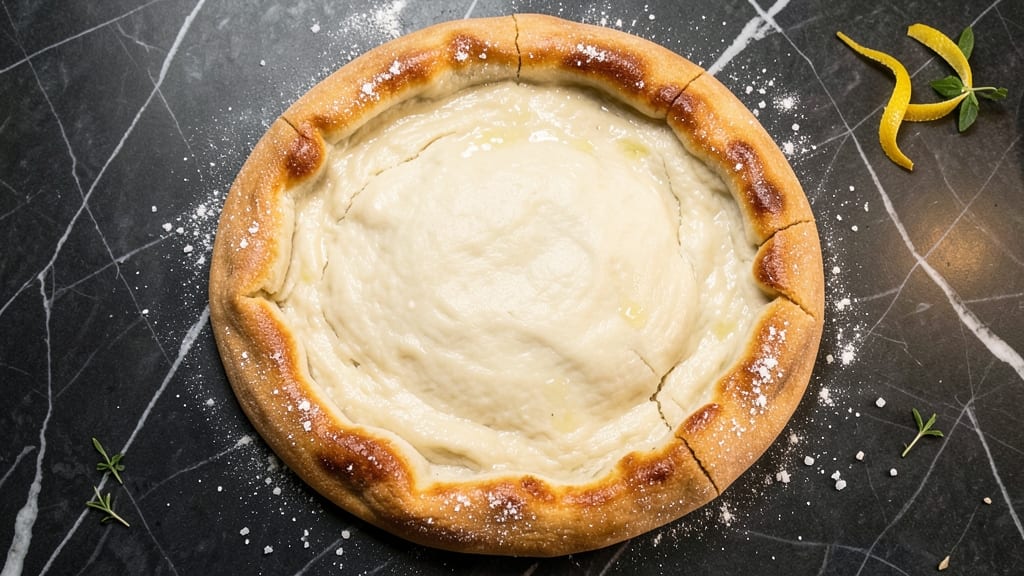
This American pie pizza dough recipe delivers the perfect foil-sealed crust—flaky, golden, and sturdy enough to hold any topping without falling apart. 🍕 The secret lies in a precise blend of high-gluten flour and cold butter, folded into layers that create that signature pie-like texture.
I’ve perfected this dough over years of baking, ensuring it’s foolproof for both beginners and seasoned home cooks.
The dough starts with a simple mix of flour, yeast, sugar, and salt, but the magic happens when cold butter is worked into the dough in thin sheets. This creates those delicate, flaky layers that make every bite irresistible.
After resting, the dough is rolled out and sealed with foil before baking—this technique guarantees a crispy, golden crust with a tender interior every time.
What you’ll end up with is a pizza crust that’s sturdy enough to support heavy toppings yet light enough to melt in your mouth. The foil seal traps steam, creating a perfect rise while keeping the edges crisp.
Top it with classic pepperoni and cheese, or get creative with a "Don’t Stop Believin’" pepperoni and pineapple combo for a nostalgic twist.
This dough is versatile enough for any occasion—whether you’re making a casual weeknight dinner or hosting a themed pizza party. The best part? It keeps well in the fridge for up to 48 hours, so you can prep ahead and bake whenever the craving hits. Let’s get started!
Ingredients for american pie pizza dough
Eight simple ingredients transform into the most flaky, golden pizza dough you've ever made.
| Ingredient | Amount | Notes |
|---|---|---|
| High-Gluten All-Purpose Flour 🌾 | 4 cups | King Arthur or Bob's Red Mill preferred |
| Unsalted Butter 🧈 | ¾ cup | Cold, cubed into 1-inch pieces |
| Active Dry Yeast 🍞 | ¼ tsp | Fresh yeast if available |
| Granulated Sugar 🍚 | 1 tbsp | For yeast activation |
| Diamond Crystal Kosher Salt 🧂 | 1 tsp | Fine grain preferred |
| Warm Water 💧 | 1 cup | 110°F for yeast activation |
| Extra-Virgin Olive Oil 🫒 | 1 tbsp | For dough handling |
| Aluminum Foil 📄 | 1 sheet | Heavy-duty, 12x17 inches |
The flour and butter are non-negotiable here. King Arthur or Bob's Red Mill high-gluten flour gives that signature pie-like texture, while cold butter creates those flaky layers—never room temperature. I grab my butter from Trader Joe's because it's consistently high-quality and affordable. For yeast, fresh yeast from the refrigerated section works best, but active dry is fine if that's what you've got. The key is getting the water just warm enough to activate the yeast—110°F is perfect. Too hot and you'll kill it; too cold and it won't wake up. I use an instant-read thermometer for this, but if you don't have one, aim for warm to the touch like bathwater.
No high-gluten flour? Substitute all-purpose plus 1 tbsp vital wheat gluten—it makes a noticeable difference. Short on butter? Vegetable shortening works in a pinch, though it won't be quite as flaky. The foil is critical—heavy-duty aluminum foil seals in steam better than regular foil. For a vegan option, use Earth Balance vegan butter, but expect slightly less flakiness. The olive oil isn't just for flavor; it keeps the dough from sticking while you handle it. I always keep a bowl of flour nearby for this exact reason—lightly dust your work surface before rolling out the dough.
This dough keeps beautifully. Wrap tightly in plastic wrap and store in the fridge for up to 48 hours—it actually develops more flavor overnight. For longer storage, freeze portions for up to 3 months. When ready to use, let it sit at room temperature for 30-60 minutes before rolling. The foil-sealed technique means you can bake straight from frozen if you're in a hurry, just add 5-10 extra minutes to the baking time. Pro tip: Preheat your oven to 450°F with a pizza stone or baking sheet inside for even baking.
Why You'll Love This Recipe
- No-Knead Magic: This dough rises while you’re still deciding what to top it—just mix, let it puff, and boom. The high-gluten flour gives it that perfect chewy bite without requiring my arms to turn into noodles.
- Butter So Good: Unsalted butter worked into the dough makes every slice taste like a warm hug. Honestly, I’ve tried oil, but this? It’s the difference between a good pizza and one that makes my kids beg for seconds.
- Game for Any Night: From a quick weeknight dinner to a Super Bowl party, this dough handles it all. I’ve used it for breakfast pizza (yes, really) and even a dessert crust—it’s basically the Swiss Army knife of dough.
- Budget-Friendly Stretch: A single batch feeds my family of four twice, and the ingredients cost less than takeout. Between us, that kosher salt and yeast combo keeps it simple without breaking the bank.
Step-by-step instructions for foil-sealed pizza dough
This dough delivers that iconic American Pie flaky, golden crust—here's how to nail it every time.
👨🍳 Step 1: Activate the Yeast and Mix the Dough
In a small bowl, whisk together the 1 cup warm water, 1 tbsp granulated sugar, and 0.25 tsp active dry yeast until dissolved. Let it sit for 5-10 minutes until frothy—this means your yeast is alive and ready to work. If it doesn't bubble, start over with fresh yeast.
In a large bowl, combine the 4 cups high-gluten all-purpose flour and 1 tsp diamond crystal kosher salt. Make a well in the center and pour in the yeast mixture along with the 1 tbsp extra-virgin olive oil. Mix with a wooden spoon until a shaggy dough forms, then turn it out onto a lightly floured surface.
👨🍳 Step 2: Incorporate the Cold Butter
Cut the 0.75 cup unsalted butter into 1-inch cubes and scatter them over the dough. Using your hands, gently work the butter pieces into the dough until fully incorporated. The butter should be cold enough to resist melting—this creates those signature flaky layers later.
Knead the dough lightly for about 2-3 minutes until it just comes together. You're not making bread here—overworking develops gluten and makes the crust tough. The dough should be soft but slightly tacky, not sticky or dry.
⏰ Step 3: First Rise and Prep for Foil Method
Shape the dough into a rough ball and place it back in the bowl. Cover with a clean kitchen towel and let it rise in a warm place for 1-2 hours or until doubled in size. The dough should feel light and airy when pressed gently with a finger.
While it rises, prepare your baking sheet by lining it with the 1 sheet aluminum foil, shiny side up. This foil will create that signature flaky crust by trapping steam during baking. Preheat your oven to 425°F—this high heat is crucial for the golden, crispy finish.
🔥 Step 4: Shape and Foil-Seal the Dough
Punch down the risen dough and divide it into 4 equal portions (about 8 ounces each). Roll each portion into a ball, then flatten into a 12-inch circle on the prepared foil. The foil should be large enough to extend about 1 inch beyond the dough on all sides.
Here's the magic: Fold the foil up the sides of the dough, creating a sealed parcel. This traps steam during baking, which creates those beautiful flaky layers. Brush the top of each dough circle with a little water—this helps the crust brown beautifully.
🔥 Step 5: Bake to Golden Perfection
Bake the foil-sealed dough for 15-18 minutes until the crust is golden brown and puffed. The foil will help create that iconic flaky texture while keeping the interior tender. Remove from the oven and carefully unfold the foil to reveal your crust.
Let the crust cool for 5 minutes before adding your favorite toppings. The crust should be crispy on the outside with tender, flaky layers inside—just like that perfect American Pie crust! Use immediately or store covered at room temperature for up to 2 days.
Pro Tips For Making American Pie Pizza Dough
- MEASURE THE YEAST FIRST: I learned this the hard way—yeast clumps like a stubborn toddler if you don’t handle it right. Sprinkle the active dry yeast directly into the warm water (not the milk) and let it sit for exactly 5 minutes until it’s foamy before adding sugar. No rushing, or you’ll end up with flat dough that tastes like sad bread.
- SOFTEN BUTTER IN THE MILK: Cold butter cubes in warm milk? That’s a recipe for greasy dough. Melt the butter just until it’s liquid (about 90 seconds in the microwave, stir once), then let it cool to body temperature—warm to the touch but not hot. This keeps the dough tender without making it oily, and your crust will hold toppings like a champ.
- KNEAD UNTIL IT SPRINGS BACK: High-gluten flour is stubborn, so don’t skimp on kneading. Work the dough for at least 8–10 minutes by hand (or 5–6 minutes with a stand mixer) until it passes the windowpane test—stretch a piece and it should snap back without tearing. Over-kneading is hard to do here, but under-kneading gives you a gummy mess that’ll disappoint.
- REST THE DOUGH TWICE: First rise is crucial, but don’t skip the second one. After shaping, let the dough rest covered for 30 minutes at room temp before baking—this relaxes the gluten so it doesn’t shrink like a scared cat. (Yes, even if you’re impatient like me.) The crust will be crispier, and your pie will hold its shape under all those toppings.
Best sauces and condiments for these flavors
Classic Tomato Sauce
Start with a simple San Marzano tomato sauce—its natural sweetness and low acidity complement the flaky crust perfectly.
I blend 1 can (28 oz) crushed San Marzano tomatoes, 3 cloves roasted garlic, 2 tbsp olive oil, 1 tsp dried oregano, and ½ tsp red pepper flakes until smooth. Simmer for 15 minutes to deepen the flavors. 🍅
For extra richness, stir in 2 tbsp heavy cream or ¼ cup grated Parmesan at the end. This sauce pairs beautifully with classic toppings like pepperoni slices or mushroom and spinach—both balance the buttery crust without overpowering it.
Garlic-White Sauce
A creamy garlic-white sauce transforms this dough into a decadent option. Melt 4 tbsp butter in a saucepan, then sauté 4 minced garlic cloves until golden.
Add 1 cup heavy cream and ½ cup grated Parmigiano-Reggiano, simmering until thickened. Finish with salt, pepper, and a pinch of nutmeg. 🧀
This sauce works wonders with grilled chicken, sun-dried tomatoes, and fresh basil. For a nod to the "American Pie" theme, add a sprinkle of crushed red pepper and a drizzle of hot honey before baking.
BBQ-Inspired Glaze
For a sweet-and-smoky twist, whip up a BBQ-inspired glaze using ½ cup BBQ sauce (I love Sweet Baby Ray's), 2 tbsp apple cider vinegar, and 1 tbsp brown sugar.
Simmer until slightly thickened, then brush it generously over the baked crust before adding toppings like pulled pork or caramelized onions. 🍖
This glaze caramelizes beautifully during baking, creating a sticky, flavorful crust. Pair it with crumbled blue cheese and pickled jalapeños for a bold contrast that’ll have everyone asking for seconds.
Olive Oil & Herb Finish
Sometimes less is more! Drizzle the baked crust with 2 tbsp extra-virgin olive oil and sprinkle with fresh rosemary, thyme, and flaky sea salt.
Let it crisp in the oven for 2-3 minutes post-bake. This keeps the focus on the dough’s natural flavors while adding a fragrant, herby note. 🌿
Top with cherry tomatoes, burrata, and arugula for a fresh, Italian-inspired pizza that’s light yet satisfying. The olive oil’s peppery finish cuts through the richness of the butter in the dough.
Sweet & Savory Twist
For a dessert-inspired pizza, spread a thin layer of Nutella or peanut butter on the baked crust, then top with banana slices, chocolate chips, and a sprinkle of sea salt. Bake until the chocolate melts slightly—about 3-5 minutes. 🍫
This playful variation is perfect for brunch or a sweet treat after dinner. Use the same foil-sealed dough for a crispy, flaky base that holds up to the gooey toppings without sogging.
Nutrition facts
Frequently asked questions
Why does this dough need high-gluten flour?
The high-gluten flour gives this pizza dough its signature flaky, sturdy texture—just like a perfect pie crust! The extra gluten creates a stronger structure that holds up to heavy toppings while still staying tender. Regular all-purpose flour would make the crust too soft and prone to tearing.
Can I make this dough without a stand mixer?
This dough only requires 2-3 minutes of gentle kneading by hand—no mixer needed. The key is working the cold butter into the dough until fully incorporated, which is easier with your fingers. Just be gentle to avoid over-developing the gluten, which would make the crust tough.
What's the best way to store leftover dough?
Wrap the dough tightly in plastic wrap and refrigerate for up to 48 hours—it actually develops more flavor overnight. For longer storage, freeze portions for 3 months. Thaw in the fridge before using, or bake straight from frozen by adding 5-10 extra minutes to the baking time.
How do I prevent the foil from sticking to the dough?
Lightly grease the foil with olive oil or butter before shaping the dough, and use parchment paper between the foil and dough if needed. The foil should be shiny-side up, and brushing the dough with water before sealing helps create a barrier. If it still sticks, gently peel it away while the dough is still warm.
Can I make this dough gluten-free?
While possible, gluten-free versions won't achieve the same flaky texture. For a workable substitute, use a 1:1 gluten-free flour blend with 1 tsp xanthan gum and reduce the water by 2 tbsp. Expect a denser crust—this dough relies on gluten for its signature flakiness, so results will differ significantly.