
Desserts
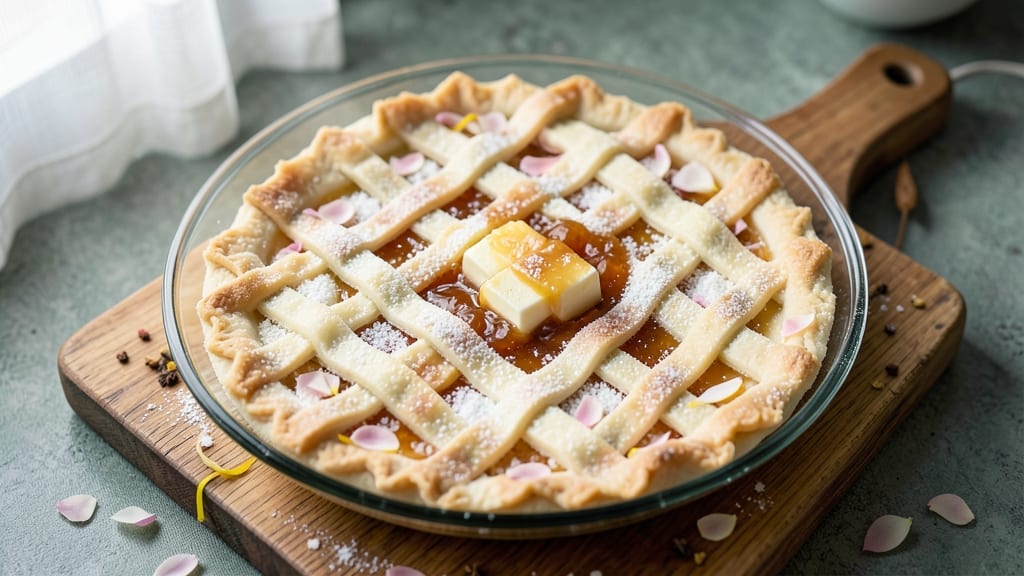
This magnolia pie crust recipe delivers the perfect balance of buttery richness and delicate flakiness—essential for a lattice that stays golden and crisp even after baking. The secret lies in cold butter cut into the flour with precision, creating those signature layers that melt into tender pockets while maintaining structure.
I've perfected this technique over years of holiday baking, ensuring every slice offers that satisfying contrast between crisp edges and flaky centers.
The crust's beauty comes from its simplicity: just five ingredients work together to create something extraordinary. Cold butter and ice water prevent the dough from overworking, while a touch of salt and sugar enhances flavor without overpowering.
What makes this crust truly special is its ability to hold its shape through baking, whether you're making a classic fruit pie or a modern custard creation. The lattice design not only looks impressive but also allows for even baking and beautiful golden-brown edges.
By the time you pull this pie from the oven, you'll have achieved that perfect golden lattice that's both sturdy enough to support fillings and delicate enough to create elegant patterns. The aroma of freshly baked crust alone will have everyone gathering around your kitchen.
This isn't just a crust—it's the foundation for creating showstopping desserts that taste as good as they look.
Whether you're making a traditional magnolia pie with its signature floral notes or experimenting with modern fillings like chocolate cream or berry compote, this crust will elevate your dessert to restaurant-quality levels.
The beauty of this recipe is its versatility—it works equally well for beginner bakers and seasoned home cooks looking to refine their technique.
Ingredients for magnolia pie crust
Five simple ingredients transform into a lattice crust that stays golden and crisp through baking.
| Ingredient | Amount | Notes |
|---|---|---|
| All-Purpose Flour 🌾 | 2 ½ cups | Sifted for even texture |
| Unsalted Butter 🧈 | 1 cup | Cold, cubed, not softened |
| Granulated Sugar 🍚 | ¼ cup | White or light brown |
| Ice Water 💧 | ¼ cup | Chilled, not room temp |
| Diamond Crystal Kosher Salt 🧂 | ½ tsp | Fine grain preferred |
| Magnolia Flower Petals 🌸 | 2 tbsp | Dried, for floral aroma |
| Vanilla Extract 💜 | ½ tsp | Pure, not imitation |
The butter is non-negotiable—use European-style butter if you can find it, but any good unsalted brand works. Costco or Whole Foods have great options, but the regular supermarket stuff is fine too. Keep those butter cubes cold until the last minute—wrap them in parchment paper and freeze for 10 minutes if your kitchen is warm. The magnolia petals? Trader Joe's sells dried ones, or you can find them at specialty spice shops. If you can't find them, a pinch of magnolia extract works too, but fresh petals give that signature floral note. The flour matters too—use all-purpose, but if you've got bread flour, swap in half a cup for that extra chewiness.
No magnolia petals? Lavender buds or dried rose petals add a lovely floral touch, though the flavor will differ. Short on butter? Coconut oil chilled for 1 hour can substitute, but the texture won't be quite as tender. The ice water is key—don't use cold tap water, as it can make the dough too sticky. If your kitchen is humid, chill the water in the freezer for 10 minutes first. The sugar isn't just for sweetness—it helps create those beautiful golden-brown edges on your lattice. And if you're making a savory pie, you can skip it entirely.
This dough keeps 3 days wrapped in plastic in the fridge, or you can freeze it for up to 3 months. When you're ready to use it, let it sit at room temperature for 20 minutes before rolling. I always make two crusts at once—one for the bottom, one for the lattice. The lattice pieces can be cut ahead and frozen on a tray before bagging. Just don't overwork the dough, or you'll lose that perfect flaky texture. And trust me, the extra 10 minutes it takes to chill the butter? Worth every crispy bite.
Why You'll Love This Recipe
- No-Fuss Assembly: I swear by this crust because it’s just three ingredients plus ice water—no food processor, no chilling for hours, no stress. Cold butter cubes cut into flour with a pastry cutter (or even your fingers) in under five minutes? That’s my kind of baking.
- Sweet Butter Magic: That sugar isn’t just for looks—it caramelizes just enough to give the crust a subtle honeyed depth, while the butter stays rich and flaky. Honestly, it’s the kind of flavor that makes you want to eat the crust first (and I won’t judge you).
- Pie for Any Occasion: Use it for sweet pies, savory hand pies, or even as a buttery tart shell for breakfast. I’ve even pressed it into a skillet for a quick galette when I’m in a hurry. Between us, it’s my go-to for potlucks, holidays, or just a Sunday dessert.
- Budget Baking Wins: Flour, butter, sugar—these are pantry staples that won’t break the bank. Plus, the dough keeps perfectly in the fridge for days, so I make a double batch and never run out. Leftovers? Freeze half for next month’s pie night. Smart, right?
Step-by-step instructions for magnolia pie crust
Here's how to create a delicate lattice crust with that signature magnolia aroma and perfect golden finish.
Mix Dry Ingredients with Floral Touches
In a large bowl, combine the 2.5 cups all-purpose flour and 0.5 teaspoon Diamond Crystal kosher salt. Whisk gently to distribute the salt evenly. This creates a uniform base that prevents any bitter pockets from developing during baking.
Next, add the 2 tablespoons magnolia flower petals and 0.5 teaspoon vanilla extract. Gently fold these through the flour mixture using a fork or rubber spatula. The petals will release their delicate aroma as the crust bakes, creating that signature magnolia scent. I like to press the petals lightly between my fingers first to release some of their fragrance before mixing.
Cut in Cold Butter for Flaky Layers
Add the 1 cup cold, cubed unsalted butter to the flour mixture. Using a pastry cutter or two forks, work the butter into the flour until you have pea-sized crumbs with some larger butter pieces remaining. This texture is crucial—it creates those beautiful flaky layers when baked.
Don't overwork the mixture. You want to see some floury spots and butter chunks still visible. If the mixture starts to look like wet sand, you've gone too far. The butter needs to remain cold enough to create steam pockets during baking, which is what makes pie crust flaky. If your kitchen is warm, chill the mixture for 10-15 minutes before proceeding.
Add Sugar and Ice Water for Structure
In a small bowl, whisk together the 0.25 cup granulated sugar and 0.25 cup ice water. The sugar helps create a slightly sweeter crust that complements the magnolia flavor, while the ice water keeps the butter from melting too quickly during mixing.
Gradually add the sugar mixture to the flour-butter mixture, one tablespoon at a time. Use a fork to gently combine after each addition. You'll know you've added enough when the dough just comes together when pressed. It should hold its shape when you squeeze a small piece, but not be sticky to the touch. If it's too dry, add 1 teaspoon more ice water. If too wet, sprinkle in 1 teaspoon more flour.
Form and Chill the Dough
Turn the dough onto a lightly floured surface and divide it into two equal portions. Gently shape each portion into a disk about 1-inch thick. Wrap each disk tightly in plastic wrap and refrigerate for at least 2 hours, or up to 2 days. Chilling is essential—it allows the gluten to relax and prevents the crust from shrinking during baking.
I like to flatten the disks slightly before wrapping to make rolling them out easier later. Place them on a baking sheet lined with parchment paper to prevent sticking. The cold temperature of the refrigerator helps maintain the butter's shape, which is what creates those beautiful flaky layers when baked.
Roll and Assemble the Lattice
On a lightly floured surface, roll out one disk of dough to a 12-inch circle, about 1/8-inch thick. Transfer this to a 9-inch pie dish and gently press it into the bottom and up the sides. Trim any excess dough hanging over the edge with kitchen shears.
For the lattice, roll out the second disk to a 12-inch circle. Using a sharp knife or pizza cutter, cut the dough into 12 strips about 1/2-inch wide. Arrange 6 strips horizontally across the pie, leaving a 1/4-inch gap between each. Fold back every other strip and place the remaining strips perpendicular, tucking them under the folded strips to create the classic lattice pattern. Brush the lattice with a light egg wash if desired for extra shine.
Pro Tips For Making Magnolia Pie Crust
- Chill the Butter First: Take your unsalted butter straight from the fridge and cut it into ½-inch cubes—no softening needed. I learned this the hard way when my crust turned greasy instead of flaky because the butter melted too fast during mixing. Cold butter = crisp layers, no excuses.
- Use Ice Water Sparingly: Start with just 2 tablespoons of ice water, then add more 1 teaspoon at a time until the dough holds together. Too much water makes the crust tough, and trust me, you’ll taste the difference. The dough should clump when pressed, not stick to your fingers like wet sand.
- Skip the Overmixing: Cut the butter into the flour with a pastry cutter or your fingers until pea-sized lumps remain—no smaller. Overworking the dough develops gluten, and that’s the fast track to a dense, chewy crust. Rough edges? Good. Smooth dough? Bad.
- Press the Crust Evenly: Roll the dough to a ¼-inch thickness, then gently press it into the pie dish with your fingers, starting from the center and working outward. Uneven thickness means some spots burn while others stay doughy. A little finger pressure goes a long way—no need to force it.
Troubleshooting your magnolia pie crust
Butter Too Soft?
If your butter starts to soften before cutting it into the flour, pop the cubes between two sheets of parchment paper and press them flat with a rolling pin. Freeze for 10-15 minutes to restore firmness.
I keep my butter in the freezer when it's too warm in the kitchen—it saves time later. Never use softened butter, as it melts during mixing and destroys that flaky texture. 🧈
Dough Too Sticky?
When adding ice water, measure carefully—too much makes the dough impossible to handle. If it's too sticky, sprinkle in 1 teaspoon flour at a time while gently kneading. For extra insurance, chill the dough for 30 minutes before rolling.
I've even dusted my rolling pin with flour and placed the dough on top to absorb excess moisture while it chills. The key is patience—rushing leads to tears in the crust.
Lattice Collapsing?
Uneven strips or weak edges cause lattices to collapse. Cut all strips to the same width using a ruler and sharp knife, and keep them on a floured tray until ready to assemble.
If your strips are too wide, they won't fold neatly. For extra support, brush the lattice with egg wash before baking—it adds structure and that beautiful golden finish. 🌟
Pale Crust After Baking?
Underbaking or insufficient sugar causes pale crusts. Bake until edges are deep golden brown (about 45-55 minutes at 375°F), and ensure your sugar is white—not brown. For extra color, sprinkle 1 teaspoon turbinado sugar on the lattice before baking.
I've also found that preheating the pie dish in the oven for 10 minutes helps create that perfect golden hue.
Shrinking During Baking?
Overworked dough or insufficient chilling causes shrinking. Handle the dough minimally, and never skip the 2-hour chill. If your crust puffs up then collapses, it's a sign the butter melted too quickly.
For next time, use European-style butter—it has a higher fat content that stays firm longer. I've also had success with shortening (like Crisco) for extra stability in humid climates.
Magnolia Flavor Missing?
Fresh petals release more aroma than dried ones. If using dried petals, crush them lightly between your fingers before mixing. For extra floral notes, add ½ teaspoon magnolia extract to the filling instead of just the crust.
I've also found that baking the crust alone for 10 minutes before adding filling intensifies the aroma—just brush it with egg wash first to prevent browning.
Nutrition facts
Frequently asked questions
Can I make this crust without magnolia petals?
If you can't find magnolia petals, try lavender buds (½ teaspoon) or dried rose petals (1 tablespoon) for a floral touch. For a more subtle flavor, simply increase the vanilla extract to 1 teaspoon. The crust will still be delicious—just with a different aromatic profile.
How do I prevent my lattice from getting soggy?
Prevent soggy bottoms by baking the crust for 10-15 minutes at 375°F before adding filling. For fruit pies, sprinkle the bottom crust with 1 tablespoon cornstarch or crushed graham crackers before filling. If using custard fillings, chill the pie completely before slicing to set the filling. A fully baked crust is key!
Can I use this crust for savory pies?
Yes, but omit the sugar and reduce the vanilla to ¼ teaspoon. For a savory touch, add 1 teaspoon dried thyme or ½ teaspoon smoked paprika instead of magnolia petals. The butter and flour base works perfectly for quiches or savory fruit pies like tomato or onion. Just skip the floral elements!
Why does my crust turn out greasy?
Greasy crusts usually mean the butter melted during mixing. Keep everything cold—chill your mixing bowl and utensils, and use ice water instead of cold water. Work quickly and avoid overmixing. If your kitchen is warm, freeze the butter cubes for 10 minutes before starting.
How long can I keep the dough before using?
Wrapped tightly in plastic, the dough stays fresh in the fridge for 3 days or in the freezer for up to 3 months. Thaw frozen dough overnight in the fridge before rolling. For best results, let chilled dough sit at room temperature for 20 minutes before handling. Proper storage keeps the butter from softening too soon.