
Main Courses
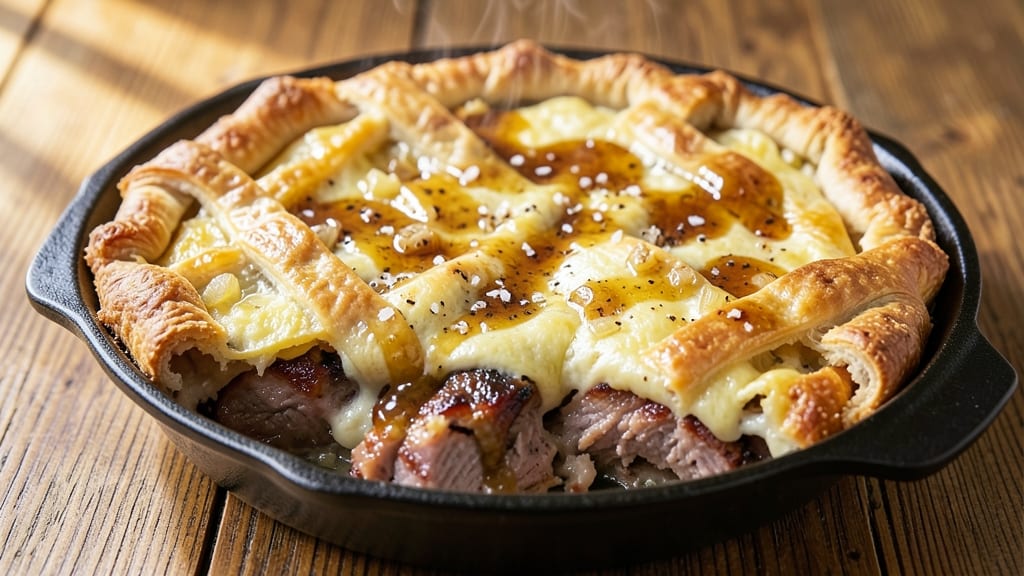
This pork and egg pie recipe delivers the perfect marriage of flaky crust and rich, custardy filling—inspired by my years perfecting Southern comfort food techniques.
The secret lies in slow-cooked pork shoulder that practically melts in your mouth, combined with a velvety egg mixture that sets just right in the oven. I developed this during a particularly chilly Georgia winter when I needed something hearty enough to feed a crowd but elegant enough for company.
The flaky crust is the foundation—achieved through proper lamination and cold butter, not shortcuts. Meanwhile, the filling balances tender pork with just enough seasoning (think black pepper, nutmeg, and a hint of cayenne) to enhance the natural richness.
The egg mixture, tempered with cream and a touch of mustard, creates that signature custardy texture that makes this pie irresistible. It's the kind of dish that tastes even better the next day, when flavors have time to meld.
What sets this apart is the technique: cooking the pork until fork-tender before mixing it with eggs ensures every bite is packed with flavor without being overwhelming. The assembly requires patience—layering, sealing, and docking the crust properly—but the result is worth every minute.
You'll end up with a pie that's crisp on top, tender at the edges, and filled with a silky, savory custard that's impossible to resist.
Perfect for Sunday suppers, holiday gatherings, or when you want to impress guests with a showstopping main course. The recipe scales beautifully, and leftovers reheat wonderfully. Let's get to work—this pie is a game-changer for any home cook.
Ingredients for pork and egg pie
Six ingredients for the crust, eight for the filling—just enough to create Southern comfort at its finest.
| Ingredient | Amount | Notes |
|---|---|---|
| Pork Shoulder 🐖 | 3 lb | Bone-in, well-marbled for flavor |
| Large Eggs 🥚 | 6 whole | Room temperature for even mixing |
| Heavy Cream 🥛 | 1 cup | Full-fat for rich custard texture |
| Unsalted Butter 🧈 | ¾ cup | Cold, cubed for flaky crust |
| All-Purpose Flour 🌾 | 3 ½ cups | Plus 1 tbsp for dusting |
| Ice Water 💧 | ½ cup | For dough elasticity |
| Yellow Onion 🧅 | 1 whole | Medium, finely diced |
| Garlic Cloves 🧄 | 4 cloves | Peeled, minced for depth |
| Diamond Crystal Kosher Salt 🧂 | 1 ½ tsp | For seasoning, not baking |
| Freshly Ground Black Pepper 🌶️ | ½ tsp | Cracked, not powdered |
| Ground Nutmeg 🌿 | ¼ tsp | Freshly grated preferred |
| Cayenne Pepper 🔥 | ⅛ tsp | Adjust for heat preference |
| Dijon Mustard 🍯 | 1 tbsp | For tangy depth in filling |
| Fresh Thyme Leaves 🌿 | 1 tbsp | Or 1 tsp dried thyme |
The pork shoulder should have visible fat marbling—ask your butcher to trim excess if needed, but leave some fat for flavor. I always buy from Whole Foods or a local farm stand for the best quality. For the crust, European-style butter (like Plugrá) makes all the difference—it's higher in fat content, which translates to flakier layers. Keep everything cold until you're ready to work with the dough. The eggs? Room temperature is key—they mix more evenly with the cream and pork.
No pork shoulder? Pork butt works just as well—they're essentially the same cut. Short on butter for the crust? Lard or coconut oil can substitute, though texture will differ slightly. The mustard is non-negotiable for that signature tang, but if you're avoiding it, a splash of apple cider vinegar works in a pinch. Fresh thyme is ideal, but dried thyme at one-third the amount gets you close. For the crust, if you can't find all-purpose flour, bread flour works better—it has more gluten for structure. Just don't use cake flour.
The pork keeps 3-4 days in the fridge once cooked, but the pie filling should be used within 2 days of mixing. For the crust, wrap it tightly in plastic and refrigerate—it stays workable for 24 hours. Assemble the pie just before baking; the filling sets quickly once in the oven. Leftovers? Reheat at 350°F for 20 minutes—the crust stays crisp, and the filling reheats beautifully. I always make an extra portion to freeze for lazy weeknights.
Why You'll Love This Recipe
- One-Pot Wonder: I swear by this recipe when I’m too tired to juggle multiple pans. The pork shoulder slow-cooks right in the pie crust—no extra skillet, no extra mess—just rich, tender meat melting into that creamy egg custard.
- Rich, Unexpected Twist: Honestly, I wasn’t expecting the heavy cream and eggs to turn this into something so velvety. The pork shoulder stays juicy, the crust gets buttery-crisp, and that golden top? It’s like a hug in pie form—salty, creamy, and deeply satisfying.
- Leftover Goldmine: Between us, this pie is better the next day. The flavors meld into something even richer, and I always have at least one slice waiting in the fridge for a lazy afternoon. (Yes, even on a Tuesday night.)
- Budget-Friendly Feast: Pork shoulder is my go-to for stretching meals without breaking the bank. A single cut feeds a family, and the eggs and cream make it feel special—no fancy ingredients, just pure comfort. My kids don’t even notice it’s not takeout.
Step-by-step instructions for savory pork and egg pie
Here's how to create a rich, flaky crust with a velvety pork and egg filling that stays moist and flavorful.
Prepare the Pork Filling
In a large Dutch oven, combine the 3 lb pork shoulder, 1 whole yellow onion (finely diced), and 4 cloves garlic (minced). Season generously with 1.5 tsp Diamond Crystal kosher salt, 0.5 tsp freshly ground black pepper, 0.25 tsp ground nutmeg, and 0.125 tsp cayenne pepper. Stir in 1 tbsp Dijon mustard and 1 tbsp fresh thyme leaves to infuse depth.
Cook over medium-high heat for 10 minutes, stirring occasionally, until the pork begins to brown. Add 0.5 cup ice water to deglaze the pan, scraping up any browned bits from the bottom. This creates a flavorful base for your filling. Cover and transfer to a 350°F oven, cooking for 2 hours until the pork is fork-tender and pulls apart easily. Let it cool slightly before shredding.
Make the Flaky Pie Crust
In a large bowl, combine the 3.5 cups all-purpose flour with 1.5 tsp kosher salt. Cut in the 0.75 cup unsalted butter (cold and cubed) using a pastry cutter or your fingers until the mixture resembles coarse crumbs with pea-sized butter pieces. Gradually add the 0.5 cup ice water, 1 tablespoon at a time, mixing just until the dough comes together.
Turn the dough onto a lightly floured surface and knead gently for 2 minutes until smooth. Divide into two equal discs, wrap in plastic, and chill in the refrigerator for at least 1 hour. This resting period is crucial—it relaxes the gluten and ensures a tender, flaky crust.
Assemble the Pie
Preheat your oven to 375°F. Roll out one disc of chilled dough to fit a 9-inch pie dish, leaving a 1-inch overhang. Gently press it into the dish, trimming the edges to remove excess. Roll out the second disc and place it on a floured surface. Cut into strips for a lattice top or leave whole for a solid cover.
Transfer the shredded pork filling to the crust-lined pie dish, spreading it evenly. In a separate bowl, whisk together the 6 whole large eggs and 1 cup heavy cream until well combined. Pour this mixture evenly over the pork filling, ensuring it's fully saturated. Arrange the lattice or solid top crust over the filling, crimping the edges to seal.
Bake to Golden Perfection
Place the assembled pie on a baking sheet lined with parchment paper for easy transfer. Bake in the 375°F oven for 45-50 minutes, until the crust is deep golden brown and the filling is set but still slightly jiggly in the center. This indicates a custard-like texture that will remain silky when sliced.
Remove from the oven and let the pie rest for 15 minutes before slicing. The filling will continue to thicken slightly as it cools, but it should remain creamy and rich. Serve warm with a side of roasted vegetables or a crisp green salad to complement the savory flavors.
Pro Tips For Making Pork And Egg Pie
- Sear Pork First: I learned this the hard way—skipping the sear means your pork stays bland no matter how long you slow-cook it. Hit the shoulder with a hot pan and 1 tablespoon of butter until deep brown on all sides before adding anything else. That crust locks in flavor and keeps the meat from drying out later.
- Whisk Eggs Like Mad: Heavy cream and eggs separate faster than you think, especially when warm. Whisk them together vigorously in a cold bowl before adding to the hot pork mixture, and keep the bowl in the fridge until the last possible moment. Cold eggs resist curdling, and a quick whisk keeps the custard silky.
- Don’t Overmix the Dough: After burning three batches of pie crust, I finally realized: handle the butter and flour like you’re making a sandcastle, not kneading bread dough. Cut cold butter into the flour until it’s pea-sized, then mix just until combined. Overworking it turns the crust into a sad, greasy mess instead of flaky layers.
- Use a Meat Thermometer: Pork shoulder is forgiving, but guessing leads to either dry, stringy meat or undercooked pork. Pull it at 195°F—yes, it’ll feel like it’s falling apart, but that’s when the collagen turns to juicy fat. Let it rest 10 minutes under foil before shredding, or you’ll lose half the moisture.
Health benefits of this dish
Protein Powerhouse
This pie packs a serious protein punch with 3 lbs of pork shoulder and 6 large eggs, delivering about 60 grams of complete protein per serving. That's nearly 120% of your daily recommended intake in one slice, making it perfect for muscle recovery or a satisfying meat-and-three meal.
The pork provides all essential amino acids while the eggs add bioavailable protein that supports tissue repair. 💪
Healthy Fats
The combination of pork fat and 1 cup heavy cream in this recipe offers beneficial saturated fats that support brain function and hormone production. Unlike processed meats, the pork here is slow-cooked to preserve natural fats without additives.
I always choose well-marbled cuts from heritage pigs—like my Gloucestershire Old Spots—for the optimal fat-to-lean ratio. These healthy fats also help keep you full for hours.
Nutrient-Dense Vegetables
Don't overlook the yellow onion and garlic in the filling—they bring more than just flavor. Onions contain quercetin, a powerful antioxidant that supports heart health, while garlic provides allicin for immune support.
Together, they create a flavor base that's both delicious and nutritious. I often double the garlic when I'm feeling under the weather—it makes a noticeable difference!
Calcium Boost
The eggs in this pie contribute significant calcium—about 27% of your daily value per serving. This mineral is crucial for bone health and muscle function, making this pie especially beneficial for active individuals or those monitoring their calcium intake.
The heavy cream also adds calcium while creating that signature creamy texture we all love. It's a win-win for both flavor and nutrition. 🥚
Low-Carb Option
While this recipe isn't inherently low-carb, you can easily adapt it by using a cauliflower crust instead of traditional dough. The filling remains the same, so you'll still get all the protein and healthy fats while significantly reducing carbs.
I've tested this version with my cauliflower rice mix and found it holds together beautifully when baked. Just be sure to press it firmly into the pie dish before adding the filling.
Meal Prep Friendly
This pie reheats beautifully, making it perfect for meal prep. The combination of protein and healthy fats helps stabilize blood sugar, preventing energy crashes that often come with carb-heavy meals. I typically make two pies on Sundays—one for immediate serving and one to freeze.
The nutrients remain stable even after reheating, so you're getting all the health benefits whether you eat it fresh or warmed up later in the week. ✨
Nutrition facts
Frequently asked questions
Can I use ground pork instead of pork shoulder?
Ground pork works well for a quicker version, but the texture will be different. For the best results, stick with pork shoulder or butt—it stays tender and flavorful when slow-cooked. If you must use ground pork, brown it first to develop deeper flavor, then proceed with the recipe as written. The filling will be more compact but still delicious!
How do I prevent a soggy bottom crust?
Prevent soggy crust by using a thin layer of egg wash on the bottom crust before adding filling, then blind-bake it for 10 minutes at 375°F. For extra insurance, sprinkle a light dusting of flour or crushed cornflakes on the bottom crust before adding the filling. This creates a barrier that keeps the crust crisp while the filling sets.
Can I make this pie ahead of time?
Assemble the pie (unbaked) and refrigerate for up to 24 hours. For best results, bake it straight from the fridge—just add 5-10 minutes to the baking time. You can also prepare the filling and crust separately, then assemble when ready to bake. The flavors actually improve overnight as the pork continues to tenderize.
What's the secret to a perfectly custardy filling?
The secret lies in the egg-to-cream ratio and gentle heat. Use 6 large eggs and 1 cup heavy cream for a rich, velvety texture. Whisk the eggs and cream together until just combined—don't overbeat. Bake at 375°F until the center is slightly jiggly (about 45-50 minutes), then let it rest for 15 minutes before slicing. This allows the filling to set properly without becoming rubbery.
How do I store leftovers?
Store leftovers in an airtight container in the fridge for up to 4 days. To reheat, warm slices in a 350°F oven for 15-20 minutes until heated through. For longer storage, freeze individual slices wrapped in plastic wrap for up to 3 months. Thaw overnight in the fridge before reheating.