
Desserts
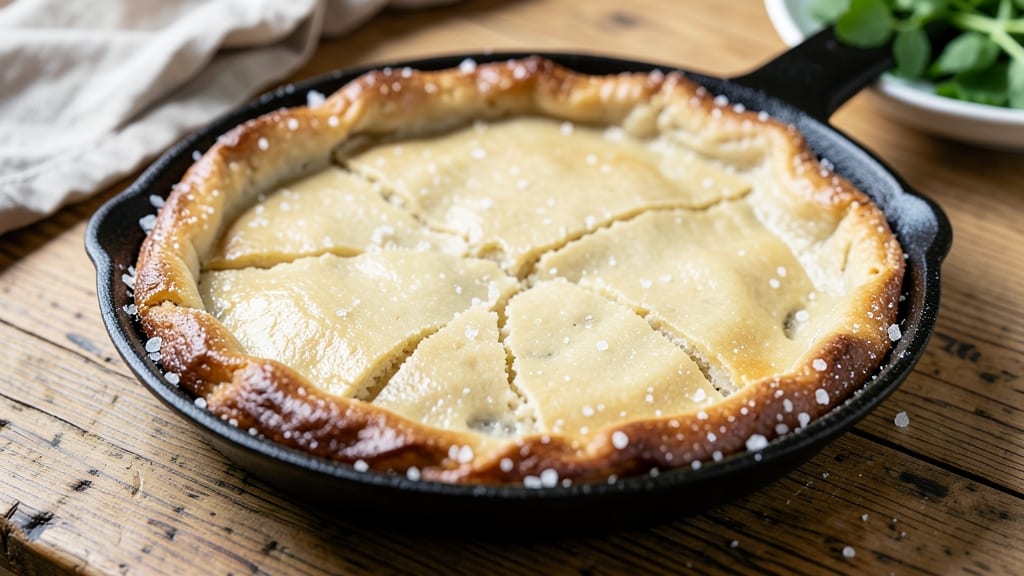
Alice Waters’ pie crust recipe delivers foolproof flakiness with layers of cold butter and simple, seasonal ingredients. This method transforms basic pantry staples into a golden, tender crust that rivals any bakery—no shortcuts, just artisanal technique.
The secret lies in keeping everything cold, ensuring delicate layers that melt into crisp, buttery perfection.
What sets this crust apart is its minimalist approach: high-quality flour, unsalted butter, and ice water work together to create structure without overpowering flavor. Alice Waters’ philosophy shines through—seasonal, unprocessed ingredients elevate even the simplest pie.
The dough comes together in minutes but requires patience for rolling and baking to achieve that signature flake.
By the time it emerges from the oven, you’ll have a crispy, golden crust with tender layers that hold up to both sweet fillings (like apple or berry) and savory applications (think quiche or galette).
The butter stays cold enough to create flakes but soft enough to melt into rich, buttery pockets. This is the kind of crust that makes every bite feel special.
Perfect for holiday pies, rustic tarts, or weeknight desserts, this recipe scales effortlessly. Whether you’re a beginner or an experienced baker, the foolproof method ensures consistent results. Let’s get started on creating a crust worthy of Alice Waters’ kitchen.
Ingredients for alice waters pie crust
High-quality flour, cold butter, and ice water create Alice Waters' legendary flaky crust.
| Ingredient | Amount | Notes |
|---|---|---|
| All-Purpose Flour 🌾 | 2 ½ cups | High-protein, unbleached preferred |
| Unsalted Butter 🧈 | 1 cup | Cold, cubed, European-style preferred |
| Ice Water 💧 | ½ cup | Freshly chilled, not tap water |
| Diamond Crystal Kosher Salt 🧂 | ½ tsp | Fine grain, not iodized |
| Granulated Sugar 🍚 | 1 tbsp | For tenderizing, optional |
The flour forms the foundation—King Arthur or Caputo Tipo 00 deliver the best texture, but Bob's Red Mill all-purpose works in a pinch. European-style unsalted butter (like Plugrá or Land O'Lakes) is non-negotiable for flavor and flakiness; American butter often contains too much water. Keep everything cold—this isn't just a suggestion. Use a thermometer to ensure butter stays below 40°F during mixing. For the ice water, crushed ice cubes work better than tap water, which can warm too quickly.
No European butter? Kerrygold or Blandine's are excellent American alternatives. Short on sugar? Skip it entirely—this crust relies on butter and water for tenderness. For salt, Diamond Crystal dissolves more cleanly than Morton, but Maldon flaky sea salt adds beautiful texture if you're willing to sift it. Prefer a sweeter crust? Add 1 tbsp brown sugar instead. The dough must stay cold—if it feels too soft, return it to the fridge for 20 minutes before rolling.
Wrap the dough tightly in plastic wrap and refrigerate for up to 48 hours—resting improves flavor. For best results, roll it between two sheets of parchment paper to prevent sticking. If prepping ahead, freeze the rolled dough on a baking sheet before transferring to a bag—thaw for 30 minutes before using. The crust can be baked blind for 15 minutes before adding filling, ensuring a sturdy base for both sweet and savory applications.
Why You'll Love This Recipe
- No Cold Hands: Cutting cold butter into flour is a pain—but Alice’s method? You just mix it all with your fingers. Honestly, I’ve never touched a pie crust this fast, and the texture comes out flaky without the fuss.
- Butter-Sugar Secret: That little pinch of sugar in the butter? It’s not just sweetness—it’s the crispy, golden edge that makes every bite feel like a reward. (Yes, even on a Tuesday night.)
- Pie or Pastry: Need a crust for a pie or a hand pie or even a fancy tart? This recipe handles it all. I’ve used it for apple galettes, savory quiches, and even a shortcut for phyllo—no regrets.
- Pantry Staple Magic: Five ingredients, zero weird substitutions. If you’ve got flour, butter, and salt, you’re golden. Between us, I’ve made this crust three times this month because it’s my go-to when I’m too tired to overthink dinner.
Step-by-step instructions for Alice Waters' classic pie crust
This method delivers the signature flaky layers Alice Waters achieves through precise technique and cold butter.
Cut and Chill the Butter
Cut the 1 cup unsalted butter into ¼-inch cubes using a sharp chef's knife. Arrange them on a parchment-lined plate and refrigerate for 30 minutes until completely firm. This chilling step is non-negotiable—cold butter creates those delicate, flaky layers that define a proper pie crust.
I press each cube flat slightly with my fingers before chilling to maximize surface area. This ensures more contact points between butter and flour when we mix, which translates to more layers in the final crust. European-style butter works best here because its higher fat content (82-86%) creates superior flakiness compared to American-style butter.
Mix Dry Ingredients and Incorporate Butter
In a large mixing bowl, whisk together the 2.5 cups all-purpose flour, 0.5 tsp diamond crystal kosher salt, and 1 tbsp granulated sugar until evenly distributed. The sugar is optional but helps tenderize the crust slightly. Add the chilled butter cubes and use a pastry cutter or your fingers to work the butter into the flour until you have pea-sized crumbs with some larger butter pieces remaining.
This stage is where we build those signature flaky layers. The goal is to maintain separate butter pieces as much as possible—they'll melt during baking and create steam pockets that separate the dough layers. If your mixture starts to look like wet sand, you've overworked it. We'll add the ice water next to bind everything together.
Incorporate Ice Water Gradually
Add the 0.5 cup ice water 1 tablespoon at a time, gently mixing with a fork or rubber spatula after each addition. The water should be ice cold—straight from the freezer—to prevent the butter from softening prematurely. Mix just until the dough begins to come together, being careful not to overwork it.
You're aiming for a dough that holds together when pressed but still feels slightly crumbly. It should form a shaggy mass that can be gathered into a loose ball. If it's too dry, add more ice water ½ teaspoon at a time. If it's too wet, sprinkle in a little more flour. The dough should be cool to the touch—warm dough will develop gluten and become tough.
Form and Chill the Dough
Turn the dough out onto a lightly floured surface and gently shape it into a 1-inch thick disk. Wrap it tightly in plastic wrap and refrigerate for at least 2 hours, or up to 48 hours. This long chilling period relaxes the gluten and allows the butter to solidify completely, which is crucial for achieving that signature flakiness.
I like to place the wrapped dough on a plate and flatten it slightly with my hands before refrigerating. This prevents air pockets from forming during chilling. The dough should be firm and cold when you're ready to roll it out. If you're short on time, you can chill it for 30 minutes in the freezer, but the longer rest yields better results.
Roll and Transfer to Pie Dish
On a lightly floured surface, roll the chilled dough into a 12-inch circle, about ⅛-inch thick. I use a rolling pin and keep rotating the dough as I roll to prevent it from sticking. The edges should be slightly thicker than the center—this helps prevent shrinking when it bakes.
Carefully transfer the rolled dough to a 9-inch pie dish, letting it gently drape over the edges. Trim any excess dough hanging over the rim. Press the dough gently against the bottom and sides of the dish to create a good seal. The crust should be cool to the touch—if it starts to soften, return it to the refrigerator for 10-15 minutes before proceeding.
Pro Tips For Making Alice Waters Pie Crust
- CHILL THE BUTTER FIRST: Alice Waters’ crust relies on cold butter for flaky layers, but don’t pull it straight from the fridge—let it sit in the freezer for 10 minutes first. I learned this the hard way when my crust turned out dense because the butter melted mid-mixing. Cold butter cuts cleanly into the flour, and that’s what gives you those perfect, crisp layers.
- MEASURE SALT BY VOLUME: Diamond Crystal kosher salt is not the same as table salt—use the recipe’s volume measurement (teaspoons) instead of weight. I used to eyeball it, and my crust always tasted off until I realized I was under-salting. The salt dissolves into the butter, so get it right or your crust will lack depth.
- WORK FAST WITH ICE WATER: The moment you add ice water, the dough starts to toughen—don’t linger. Use a fine-mesh strainer to drizzle the water over the flour-butter mix while stirring with a fork, then stop as soon as it just holds together. Overmixing = chewy crust. (Yes, even if you’re impatient like me.)
- PRESS THE CRUST EVENLY: Don’t just dump the dough in and pat it down—roll it out to ¼-inch thickness, then fold it in half and roll again to even out the edges. This prevents a thick center that won’t bake properly. Press it gently into the pan, then crimp with a fork for that classic fluted look. (Your future self will thank you.)
Serving suggestions for alice waters pie crust
Sweet Pairings
This crust shines with seasonal fruit fillings—think tart green apples with cinnamon, juicy peaches in summer, or spiced pumpkin for autumn. The delicate flakiness contrasts beautifully with the softness of baked fruit.
For a classic apple pie, I recommend Granny Smith and Honeycrisp apples mixed with lemon juice and brown sugar to balance the crust's buttery richness. 🍏
Savory Applications
Don't limit this crust to desserts! It's perfect for savory galettes or quiches. Try a mushroom and Gruyère filling with thyme and garlic, or a spinach and feta combination for a brunch-worthy dish.
The crust holds up beautifully to baking blind—sprinkle with dried beans or pie weights before adding filling to prevent puffing.
Garnish Game-Changers
Elevate your pie with simple garnishes. A dusting of powdered sugar adds elegance to fruit pies, while flaky sea salt (like Maldon) enhances caramelized edges. For savory pies, a drizzle of honey or balsamic glaze before serving adds depth.
I love finishing apple pies with toasted pecans or walnuts for crunch and texture.
Beverage Pairings
Complement sweet pies with iced tea (especially Earl Grey for floral notes) or sparkling apple cider. For savory pies, a crisp white wine like Sauvignon Blanc or a light red such as Pinot Noir balances the richness.
Coffee lovers will adore this crust with espresso or chai—the bitterness cuts through the butter beautifully. 🍷
Make-Ahead Magic
Bake the crust ahead of time and store it in an airtight container at room temperature for up to 2 days. For longer storage, freeze the unbaked crust (wrapped in parchment and foil) for up to 3 months.
Thaw in the fridge overnight before adding filling. This is a game-changer for holiday baking—just assemble and bake when guests arrive!
Serving Presentation
For restaurant-worthy plating, use a sharp knife to create clean edges on the crust. Brush the top with melted butter before baking for extra shine. Serve warm pies on wooden boards or slate plates for rustic charm.
For individual portions, cut into slices with a pizza wheel—the crisp edges hold up perfectly. A dusting of powdered sugar or edible flowers adds a final touch of elegance. ✨
Nutrition facts
Frequently asked questions
Why does Alice Waters' recipe use ice water instead of regular water?
Ice water keeps the butter cold throughout mixing, preventing it from melting too soon. This creates more distinct butter layers in the dough, resulting in that signature flaky texture. Regular water would warm up too quickly, making the butter soft and reducing flakiness.
Can I make this crust without a food processor?
Use your fingers or a pastry cutter to work the cold butter into the flour until you get pea-sized crumbs. The key is keeping everything cold—press the butter pieces between your fingers to flatten them slightly before mixing. This manual method actually gives you more control over the butter size and distribution.
What's the best way to prevent a soggy bottom in fruit pies?
Pre-bake the crust blind for 15 minutes at 375°F before adding filling. Place a baking sheet on top and fill with pie weights or dried beans to prevent puffing. For extra insurance, sprinkle the bottom with 1 tablespoon cornstarch before adding fruit. The pre-baked crust will hold up to juicy fillings beautifully.
How do I handle the dough if it's too sticky?
Add flour 1 tablespoon at a time until the dough holds together when pressed. Avoid overworking it—just mix until it comes together. If it's still too sticky after adding flour, chill for 10-15 minutes before rolling. The dough should be cool and firm but not dry or crumbly.
Can I use this crust for savory dishes like quiche?
This crust works perfectly for savory applications! For quiches, blind-bake it first, then add your filling. The buttery richness complements eggs beautifully. Try a Gruyère and mushroom filling or spinach and feta for a brunch favorite. The crust's flakiness holds up well to both baking and slicing.