
Desserts
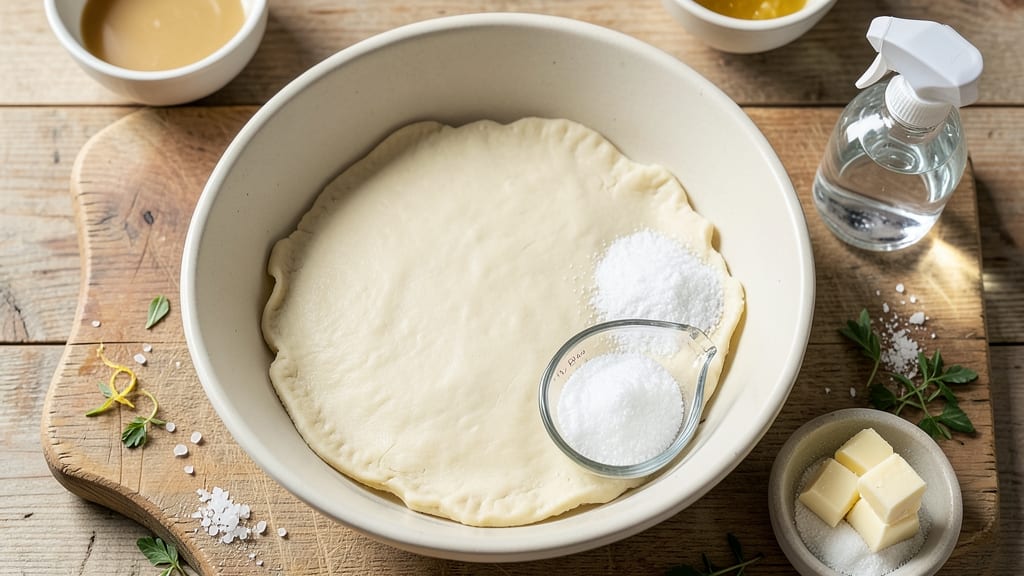
This all-purpose pie dough recipe delivers foolproof flaky layers that transform any filling into a showstopper—no fancy techniques required. The secret lies in cold butter and proper handling, which I’ve perfected after years of testing (and a few failed crusts).
Whether you’re baking a classic apple pie or a savory galette, this dough forms the perfect foundation, crisp on the edges and tender underneath.
What makes this recipe stand out is its simplicity: just five ingredients and 15 minutes of active time, followed by a 30-minute chill for ideal texture. The key steps—cutting butter into flour, avoiding overworking the dough, and rolling it evenly—ensure that signature flakiness without cracks.
I’ve included troubleshooting tips to handle common pitfalls like shrinking or tearing, so even beginners can achieve restaurant-quality results.
Once you’ve mastered this dough, the possibilities are endless—use it for pies, tarts, hand pies, or even savory quiches. The flaky, buttery layers stay sturdy enough to hold your fillings while delivering that melt-in-your-mouth texture we all crave.
The best part? You can make the dough ahead of time and store it for up to 3 days, so it’s always ready when inspiration (or dessert cravings) strikes.
For those with dietary restrictions, I’ll note alternatives in the tips section, though traditional butter and lard create the classic flavor and texture. Let’s get started—your perfect crust is just a few steps away.
Ingredients for all purpose pie dough
Five simple ingredients create the perfect flaky pie crust foundation for any dessert or savory dish.
| Ingredient | Amount | Notes |
|---|---|---|
| All-Purpose Flour 🌾 | 2 ½ cups | Sifted for light texture |
| Cold Unsalted Butter 🧈 | 1 cup | Cut into 1/2-inch cubes |
| Ice Water 💧 | ⅓ cup | Chilled for proper hydration |
| Granulated Sugar 🍚 | ¼ cup | For subtle sweetness |
| Diamond Crystal Kosher Salt 🧂 | ½ tsp | Adjusts to recipe needs |
| Lard (or Vegetable Shortening) 🥓 | ¼ cup | For extra flakiness |
The butter is non-negotiable—cold cubes are essential for those signature flaky layers. Grab European-style butter from Whole Foods or Trader Joe's for extra richness, but any unsalted butter works. The flour should be sifted before measuring to avoid dense dough, and store it in an airtight container to prevent clumping. For the lard, leaf lard is ideal, but vegetable shortening works in a pinch—just know it'll be slightly less flavorful. The sugar isn't just for sweetness; it tenderizes the dough too.
No lard? Extra butter (up to 1.25 cups) keeps the flakiness, though texture may vary slightly. Running short on butter? Coconut oil (solid, chilled) works but lacks the same depth of flavor. The ice water is crucial—room temperature water will melt the butter too quickly, resulting in a tough crust. For a dairy-free version, swap butter for vegan butter> and use vegetable shortening instead of lard. If your dough feels too dry, add 1 tbsp ice water at a time>—never more than 1 tsp total.
Wrap the dough tightly in plastic and refrigerate for up to 3 days—this is where the magic happens as the butter solidifies. For longer storage, freeze the dough between parchment paper for up to 3 months. Let it sit at room temperature for 15 minutes before rolling to prevent cracking. This dough doubles as a perfect tart shell or hand pie crust—just adjust the size when rolling.
Why You'll Love This Recipe
- Here’s what sold me: make a double batch, freeze half, and boom—you’ve got a pie for Thanksgiving, a pot pie for a sick friend, or a last-minute dessert when you forgot to order pizza. (Yes, even on a Tuesday night.)
- No-Fuss Magic: I swear by this dough—just toss flour, butter, and ice water. No food processor, no stress, just my fingers and a bowl. The butter stays cold, the dough stays together, and I’m not left with a greasy mess.
- Sweet Crisp Perfection: That touch of sugar? It’s not about sweetness—it’s about the golden, shatteringly crisp edges that hold up to anything. Fill it with savory chicken pot pie or a classic apple lattice, and you’ll get the same buttery, flaky magic.
- Your Backup Plan: Here’s what sold me: make a double batch, freeze half, and boom—you’ve got a pie for Thanksgiving, a pot pie for a sick friend, or a last-minute dessert when you forgot to order pizza. (Yes, even on a Tuesday night.)
Step-by-step instructions for all purpose pie dough
This method guarantees restaurant-quality flaky layers every time—no rolling pin required!
Combine Dry Ingredients for Perfect Texture
In a large mixing bowl, whisk together the 2.5 cups all-purpose flour, 0.5 teaspoon diamond crystal kosher salt, and 0.25 cup granulated sugar. I like to use a whisk here to aerate the flour slightly—this creates more surface area for the fat to coat, which is crucial for flakiness. Sift the flour first if you have time, but don't skip this step entirely; just whisk vigorously for 30 seconds to break up any lumps.
The sugar isn't just for sweetness—it helps tenderize the dough and prevents excessive gluten development. You'll notice the mixture looks slightly coarse, and that's perfect. This dry blend is your foundation, so take your time getting it just right before adding the fats.
Cut in Cold Fats for Maximum Flakiness
Add the 1 cup cold unsalted butter (cut into ½-inch cubes) and 0.25 cup lard to the dry ingredients. Using a pastry cutter or two forks, work the fats into the flour mixture until you reach pea-sized crumbs with some larger butter pieces remaining. This is called "cutting in," and it's where the magic happens for flaky layers.
Here's the thing—don't overwork this step. You want the butter to stay mostly in chunks, not turn into a paste. If your mixture starts looking like wet sand, you've gone too far. The goal is to coat the flour particles with fat while leaving some butter intact to create those beautiful layers when baked. Work quickly and keep everything cold—warm fats will create tough dough.
Gradually Add Ice Water for Perfect Hydration
With a fork or your fingers, gently stir in the 0.33 cup ice water one tablespoon at a time. The dough will come together when it holds when pressed, but don't add all the water at once—you want just enough to form a shaggy mass that can be pressed into a disc. Overhydrating is the #1 mistake that leads to tough crusts.
I always use ice water because it keeps the dough cold longer during handling. The cold temperature helps prevent gluten development and maintains those crucial fat layers. When the dough comes together, it should be cool to the touch and slightly crumbly when you press it. If it feels too sticky, add a tiny bit more flour; if it's too dry, add a teaspoon of water.
Chill for Maximum Flakiness and Ease of Handling
Divide the dough into two equal discs, wrap each tightly in plastic wrap, and refrigerate for at least 30 minutes (I prefer 1 hour for best results). This chilling step is non-negotiable—it firms up the fats, relaxes the gluten, and makes rolling out the dough a breeze. The longer you chill, the better the texture will be when baked.
During this time, I like to let the dough rest on a wire rack in the fridge. This prevents it from sitting in a pool of condensation that could make it soggy. When you're ready to use it, the dough should be cold and firm enough to hold its shape when lifted. If it's still too soft, give it another 15 minutes in the freezer—patience pays off with perfect flaky layers.
Roll and Use for Perfect Pie Crusts
On a lightly floured surface, roll one disc of dough to your desired pie size, about 1/8-inch thick. I use a rolling pin, but you can also press it gently with your fingers if you're making a quick crust. The key is to handle the dough as little as possible—every time you stretch or fold it, you develop gluten and lose flakiness.
Transfer the rolled dough to your pie dish, gently pressing it into the corners to create an even base. For extra flaky edges, I like to crimp them using a fork or my fingers. The dough should be cold enough to hold its shape when lifted. If it starts to shrink back, give it a few more minutes in the fridge before proceeding. This dough is now ready to fill with your favorite pie ingredients!
Pro Tips For Making All Purpose Pie Dough
- Cut Butter into Pea Sizes: I learned this the hard way—big chunks melt unevenly, leaving you with a dough that’s greasy and hard to roll. Use your fingers or a pastry cutter to break the cold butter into tiny pieces no larger than a pea before mixing. This ensures even distribution and a tender, flaky texture.
- Chill Between Rolls: Your dough will fight you if you try to roll it out right after mixing. Wrap the dough in plastic and refrigerate for at least 30 minutes—yes, even if you’re impatient like me. This keeps the butter solid, so it doesn’t smear and ruin that perfect flaky layer.
- Use Ice Water Sparingly: Too much water makes pie dough tough, but too little makes it dry and crumbly. Start with 4-5 tablespoons of ice water, then add 1 tablespoon at a time until the dough just comes together. If it’s sticky but holds, you’re good. If it’s falling apart, you’ve gone too far.
- Rest the Dough Before Rolling: Skip this, and your dough will stick, tear, and drive you crazy. Give it a solid 10-15 minutes in the fridge after shaping—this relaxes the gluten and makes rolling a breeze. (Your future self will thank you.)
Creative variations of these flavors
Sweet Twist
Transform this classic dough into a cinnamon-sugar crust by adding 2 tablespoons ground cinnamon and 1 tablespoon sugar to the dry ingredients. Perfect for apple or berry pies, this variation adds warmth and sweetness without altering the flaky texture.
I like to sprinkle extra cinnamon-sugar on top before baking for that bakery-style finish. 🌟
Savory Galette Style
Skip the sugar entirely and increase the salt to 1 teaspoon for a savory crust ideal for galettes. Add 1 tablespoon fresh thyme leaves or 1 teaspoon onion powder to the dry mix for depth.
This works beautifully with caramelized onions, mushrooms, or roasted chicken—just brush the baked crust with a little garlic-infused olive oil for extra flavor. 🥓
Herb-Infused Crust
For a herbaceous twist, mix 1 tablespoon finely chopped fresh rosemary or thyme into the dry ingredients. This pairs perfectly with lemon curd tarts or savory cheese galettes.
The herbs add subtle complexity while maintaining the classic flaky texture. I recommend using dried herbs if you want to make the dough ahead of time. 🌿
Nutty Crunch Addition
Add ¼ cup finely chopped walnuts or pecans to the dough for a nutty crunch. This works especially well with pecan pies or fruit tarts.
Just press the nuts into the bottom of the pie dish before adding the filling, or sprinkle them on top after baking for texture. A pinch of cinnamon enhances the nutty flavor beautifully. 🌰
Whole Wheat Adaptation
Replace ½ cup of the all-purpose flour> with whole wheat flour for a slightly denser but still flaky crust. This version works well with fruit pies or savory quiches.
To maintain flakiness, add an extra 1 tablespoon of cold butter> to compensate for the whole wheat's higher moisture content. 🌾
Egg Wash Options
For a golden-brown finish, brush the baked crust with an egg wash (1 egg + 1 tablespoon water). For extra shine, add ½ teaspoon honey> or maple syrup to the wash.
For a savory crust, use a garlic-infused oil wash** (1 tablespoon olive oil + 1 minced garlic clove) instead. 🍳
Nutrition facts
Frequently asked questions
Why does my pie dough turn out tough instead of flaky?
The most common causes are overworking the dough or using warm fats. Keep everything cold—especially the butter—and stop mixing as soon as the dough comes together. The goal is pea-sized crumbs with some butter chunks remaining. Overmixing develops gluten, which makes the crust tough instead of tender. Also, avoid adding too much water—just enough to form a shaggy mass.
Can I make this dough without a rolling pin?
For a quick crust, press the chilled dough disc between two sheets of parchment paper and gently pound it with a glass bottle or your palms until it reaches your desired thickness. This method works especially well for hand pies or small tarts. Just keep the dough cold and handle it as little as possible to maintain flakiness.
How do I prevent cracks in my pie crust?
Cracks usually happen when the dough warms up too quickly. Always keep your dough cold when rolling, and avoid stretching it—just gently press it into the pie dish. For extra insurance, let the dough rest in the fridge for 1 hour before using, and pre-bake the crust (blind bake) for 10-15 minutes at 375°F before adding filling. This helps it hold its shape better.
What's the best way to store leftover dough?
Wrap the dough tightly in plastic wrap and refrigerate for up to 3 days. For longer storage, freeze the dough discs between parchment paper for up to 3 months. When ready to use, thaw in the fridge overnight or at room temperature for 15 minutes. Never thaw in warm water, as this can cause the fats to melt and lose their flakiness.
Can I use this dough for savory dishes like quiche?
Yes! This versatile dough works perfectly for savory applications. Simply skip the sugar and increase the salt to 1 teaspoon. Add 1 tablespoon fresh herbs or onion powder to the dry mix for extra flavor. Brush the baked crust with garlic-infused olive oil for a restaurant-quality finish. The flaky texture pairs beautifully with egg custards and cheese fillings.