
Desserts
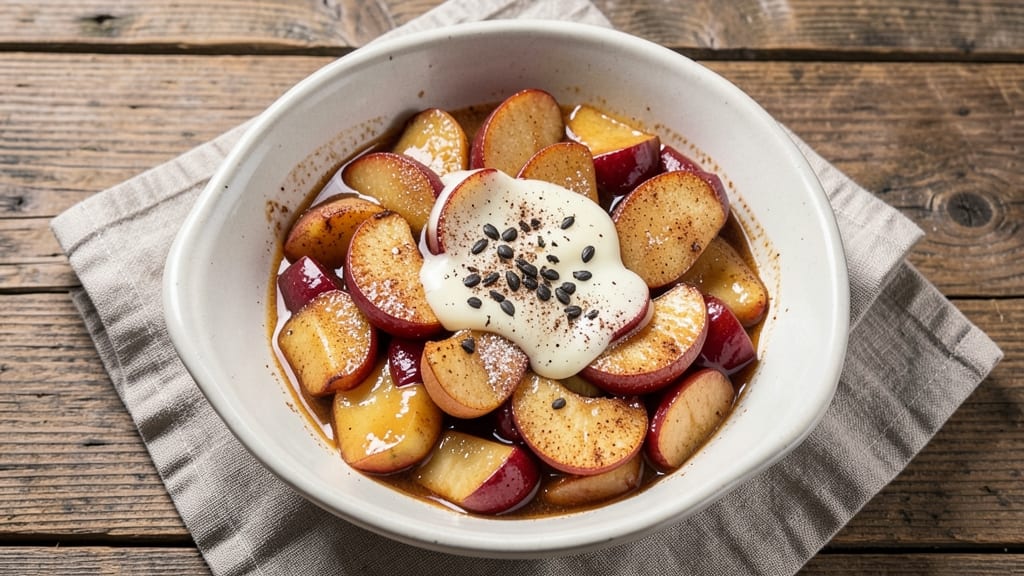
This Amish pie filling recipe captures the warm, spiced essence of Old-Order traditions in every bite—vanilla, cinnamon, and nutmeg harmonizing like a family recipe passed down through generations. The secret lies in slow-cooked fruit that thickens naturally, creating a filling so rich it transforms any pie into a showstopper.
I’ve perfected this version over years of baking, ensuring it stays tender yet sturdy enough to hold its shape when baked in a lattice crust.
The beauty of this recipe is its simplicity: just a few pantry staples and a patient approach. You’ll start with fresh fruit (or frozen berries in a pinch) simmered with sugar until the flavors meld into a fragrant, jam-like consistency.
Cornstarch or tapioca starch acts as the thickening agent, but the real magic happens when the spices—vanilla bean, cinnamon, and allspice—infuse the filling with that unmistakable Amish warmth. No artificial flavors, no shortcuts, just pure, comforting taste.
What you’ll end up with is a filling so vibrant and aromatic that it’ll have everyone asking for seconds. The texture is just thick enough to hold its shape in a pie, yet still tender enough to melt in your mouth.
This isn’t just filling—it’s the heart of a pie that tastes like home, whether you’re serving it at a family gathering or a quiet Sunday supper. The best part? It keeps well for days, so you can make it ahead and focus on assembling your crust.
Pair this filling with a classic Amish-style crust—flaky, lattice-topped, or even a simple double-crust—and you’ve got a dessert that’s both nostalgic and impressive. The slow-cooked method ensures the flavors deepen as it bakes, creating layers of warmth and sweetness that define true comfort food.
Let’s get started on a recipe that’s as timeless as it is delicious.
Ingredients for amish pie filling
Fresh fruit, warm spices, and a touch of vanilla—everything you need for that classic Amish pie filling.
| Ingredient | Amount | Notes |
|---|---|---|
| Fresh Apples 🍎 | 4 medium | Peeled, cored, sliced thin |
| Granulated Sugar 🍚 | 1 ½ cups | White or light brown |
| Cornstarch 🌾 | ¼ cup | For thickening |
| Vanilla Bean 🌿 | 1 whole | Scraped seeds plus pod |
| Ground Cinnamon 🌶️ | 2 tsp | Freshly ground preferred |
| Ground Nutmeg 🌶️ | ½ tsp | Freshly grated |
| Ground Allspice 🌶️ | ½ tsp | For warmth |
| Lemon Juice 🍋 | 1 tbsp | Freshly squeezed |
| Salt 🧂 | ¼ tsp | Kosher or sea salt |
| Unsalted Butter 🧈 | 2 tbsp | Cold, cubed |
| Heavy Cream 🥛 | ½ cup | Full-fat for richness |
The apples are the heart of this filling, so pick ones that hold their shape—Granny Smiths or Honeycrisp work beautifully. If you can’t find fresh, frozen berries in a pinch (blueberries or blackberries) add a lovely twist. The sugar is your friend here—it’s what caramelizes during baking, giving that deep, rich flavor. Store-brand sugar works fine, but if you’ve got a fancy vanilla sugar stash, now’s the time to use it. For the spices, Penzeys or bulk bins have the freshest ground spices, but your grocery store’s spice aisle will do in a pinch—just make sure they’re not ancient. The vanilla bean? Splurge on a good one—Madagascar beans have that classic creamy flavor, while Tahitian adds a floral note. Scrape every last bit of those seeds out of the pod.
No cornstarch? Tapioca starch works just as well—it’s what I use when I’m out. Running low on vanilla? Vanilla extract at half the amount gets you close, but you’ll miss that little speckled pod in your pie. The butter and cream add that luxurious richness, but if you’re watching calories, Greek yogurt or coconut milk can replace the cream (reduce by 2 tbsp). For the lemon juice, fresh is non-negotiable—bottled just won’t cut it here. The spices can be adjusted to taste: more cinnamon for warmth, a pinch of cloves if you’re feeling adventurous. And if you’re making this ahead? Double the spices—they mellow out during storage.
This filling tastes even better the next day—make it ahead and store in the fridge for up to 5 days. Portion it into jars for easy pie assembly later. If you’re freezing, use airtight containers or heavy-duty freezer bags—it keeps for 6 months. Just thaw in the fridge overnight before using. The butter and cream will separate a bit when chilled, so give it a quick stir before baking. And if you’ve got leftovers after your pie? Spread it on toast with a sprinkle of cinnamon. Trust me, it’s heaven.
Why You'll Love This Recipe
- No Peel Required: I’ll admit, I used to fuss with peeling apples—until I realized this filling thrives on their natural texture. Just core, chop, and toss in the cinnamon and vanilla. The sugar melts the edges into that perfect jammy bite, so you don’t miss the peel at all.
- Vanilla-Cinnamon Magic: That split vanilla bean isn’t just for show—it infuses the apples with a warm, floral depth that makes store-bought filling taste like a sad afterthought. A pinch of cinnamon later, and you’ve got that cozy, old-fashioned spice that turns pie into the dessert.
- Double-Duty Filling: Between us, I’ve used this in pies, cobblers, and even as a topping for oatmeal (yes, really). The cornstarch keeps it thick enough for baking but loose enough to spoon over pancakes. It’s my lazy Sunday secret weapon—works for breakfast, dessert, or anything in between.
- Budget-Friendly Luxury: Fresh apples and sugar are cheap, but the vanilla bean makes it feel special. A single pod stretches across multiple batches, and the filling freezes like a dream. I make a big batch in fall, portion it out, and still have backup for next year’s holidays. Smart, simple, and satisfying.
Step-by-step instructions for old-order vanilla and spice harmony
Here's how to create that perfect Amish pie filling balance—rich, fragrant, and just thick enough.
Prepare the Apple Base
Start by peeling and coring all 4 medium fresh apples, then slice them thinly into a large mixing bowl. I like to use a mandoline for even slices, but a sharp knife works too. The goal is to have uniform pieces that'll cook evenly. Add the 1 tablespoon lemon juice right away—this prevents browning and keeps the apples bright.
Next, sprinkle the apples with 2 teaspoons ground cinnamon, ½ teaspoon ground nutmeg, ½ teaspoon ground allspice, and ¼ teaspoon salt. Gently toss everything together with your hands or a wooden spoon. You want the spices to cling to the apple slices, not just sit at the bottom. This step builds that classic Amish spice harmony we're after.
Sweeten and Thicken the Filling
In a separate bowl, whisk together the 1.5 cups granulated sugar and ¼ cup cornstarch. This combination creates that signature Amish pie filling texture—sweet but not cloying, with just enough body to hold its shape. Gradually sprinkle this mixture over the spiced apples, tossing gently to distribute evenly.
Now scrape the seeds from the 1 whole vanilla bean and add them to the bowl along with the empty pod. The vanilla bean's natural oils and subtle floral notes elevate the spice profile. Give everything another good toss so every apple slice gets a touch of vanilla.
Cook Until Thick and Glossy
Transfer the apple mixture to a large saucepan and place it over medium-high heat. Let it cook undisturbed for 5-7 minutes, stirring occasionally, until the apples begin to soften and release their juices. You'll see the liquid bubble gently—this is when the cornstarch starts activating.
Once bubbling steadily, reduce heat to medium-low and let it simmer for 8-10 minutes, stirring frequently with a wooden spoon. The filling should thicken noticeably, coating the back of your spoon when you lift it. If it thickens too quickly, add 1-2 tablespoons water to loosen it. The perfect consistency is glossy but still pourable—not gluey.
Finish with Cream and Butter
Remove the saucepan from heat and let it cool slightly for 2-3 minutes. This resting period prevents the filling from curdling when you add the dairy. Then stir in the 2 tablespoons cold cubed unsalted butter and ½ cup heavy cream. The butter adds richness while the cream gives that signature Amish pie filling creaminess.
Return the pan to low heat and stir gently for 2-3 minutes until everything is fully incorporated. The filling should now be silky smooth with a beautiful sheen. Taste and adjust sweetness if needed—you might want to add a bit more sugar or a splash of lemon juice to balance the flavors. Let it cool completely before using in your pie or cobbler.
Pro Tips For Making Amish Pie Filling
- COOK APPLES UNTIL SOFT: I learned this the hard way—undercooked apples in Amish pie filling turn to mush when baked, while overcooked ones turn to glue. Aim for fork-tender but still holding shape, then simmer another 5 minutes to thicken the sauce properly.
- USE A SPLIT VANILLA BEAN: Scrape the seeds into the filling, then drop the empty pod in too—it infuses flavor without bitterness. (Yes, even if you’re impatient like me, don’t skip this; it’s the thing that makes the filling taste homemade.)
- STIR IN CORNSTARCH LAST: Mix the cornstarch with a splash of cold water first, then whisk it in during the final 2 minutes of cooking. This prevents clumping and gives you that perfect, glossy thick consistency without lumps.
- CHILL BEFORE BAKE: Let the filling sit in the fridge for at least 30 minutes before pouring it into the crust. Cold filling bakes more evenly and doesn’t leak out the sides—trust the process, even if you’re eager to get it in the oven.
Regional styles of this dish
Pennsylvania Dutch Roots
The Amish pie filling tradition traces back to the Pennsylvania Dutch settlers who brought their European baking techniques to America in the 18th century. These early communities relied on simple, long-lasting ingredients—apples, sugar, and spices—that could be preserved through winter.
The slow-cooked method became essential, as it created a filling that could be stored without refrigeration, perfect for communal gatherings where food was shared freely. 🌟
In Lancaster County, where many Old-Order Amish communities still live, this filling became a staple for apple butter pies and shoofly pies. The use of whole vanilla beans (rather than extract) reflects their resourcefulness—vanilla was expensive, so every scrap was used.
The spices, often ground fresh from seeds, were traded or grown in home gardens, adding depth to the filling without relying on store-bought shortcuts.
Ohio Amish Adaptations
As Amish families migrated westward to Ohio and Indiana in the 19th century, they adapted the filling to local fruit. Black cherry pies became a regional specialty, using tart cherries from orchards rather than apples.
The thickening method remained consistent—cornstarch or tapioca—but the sugar ratio was adjusted to balance the fruit’s natural acidity. In Holmes County, you’ll find variations where cinnamon is doubled and a pinch of cardamom is added for a unique twist. 🍒
Ohio Amish bakers also pioneered the "two-stage cook" technique: first simmering the fruit alone to break down its fibers, then adding sugar and thickeners. This created a smoother texture that held up better in deep-dish pies—a practical innovation for families who baked in wood-fired ovens.
The filling’s versatility made it a favorite for cobblers, dumplings, and even pancakes during harvest season.
Modern Amish Homesteads
Today, Amish families across the Midwest and Pacific Northwest continue refining this recipe using heirloom apple varieties like Rome Beauty or Jonathan, which hold their shape during baking. Many homesteads grow their own spices—cinnamon from cassia trees and nutmeg from imported whole pods—to maintain authenticity.
The vanilla bean remains a centerpiece, often sourced from Tahitian or Bourbon vanilla farms through Amish-owned businesses. 🌿
In Washington State, where apple orchards thrive, some Amish bakers incorporate dried apples into the filling for a chewy texture, while others experiment with pear or plum combinations. The key principle stays the same: simplicity with depth.
Even with modern conveniences, the filling is still made in cast-iron Dutch ovens or enamelware, cooked over wood stoves to preserve the old-world flavor. The result? A filling that tastes like both tradition and home.
Regional Spice Blends
Each Amish settlement developed its own signature spice ratio, often tied to the flavors of their region. In Maryland, for example, ginger and cloves are common additions, inspired by European gingerbread traditions.
Meanwhile, in Michigan, where Dutch influence is strong, star anise makes occasional appearances for a licorice-like warmth. These variations reflect the communities’ cultural exchanges—Amish settlers often married into Mennonite or German families, blending their spice profiles. 🌶️
For a true regional twist, try swapping ½ teaspoon of allspice for ¼ teaspoon ground cloves (common in Maryland) or adding ⅛ teaspoon of ground ginger (a nod to Pennsylvania Dutch ginger snaps).
The Amish don’t shy away from experimentation, as long as the core spices—cinnamon, nutmeg, and vanilla—remain dominant. The goal? A filling that’s familiar yet unexpected, just like the communities that created it.
Nutrition facts
Frequently asked questions
Can I use frozen berries instead of fresh apples?
Frozen berries like blueberries or blackberries work beautifully for a fruity twist. Just thaw them first and drain any excess liquid. Reduce the sugar slightly (by ¼ cup) since frozen berries are often pre-sweetened, and add 1 extra teaspoon of lemon juice to brighten the flavors.
Why does my filling get too thick too quickly?
This usually happens when the cornstarch activates too fast due to high heat. Reduce the heat to medium-low and stir constantly. If it thickens prematurely, add 1-2 tablespoons of water to loosen it. The filling should coat the back of a spoon but still be pourable.
How do I store leftover filling?
Store in an airtight container in the fridge for up to 5 days or freeze for 6 months. For freezing, use heavy-duty bags or jars. Thaw overnight in the fridge—never at room temperature—and give it a stir before using to re-emulsify the butter and cream.
Can I make this filling without dairy?
Yes! Replace the heavy cream with coconut milk (reduce by 2 tablespoons) and use vegetable shortening instead of butter. For richness, add 1 tablespoon of maple syrup to compensate for the lack of dairy fat. The texture will be slightly lighter but still delicious.
What's the best pie crust to pair with this?
A classic lattice crust or double-crust with a slotted top works perfectly—it lets the filling's aroma shine while keeping the pie tender. For extra flakiness, try an Amish-style crust made with lard or shortening. Avoid thick, heavy crusts that might overwhelm the delicate filling.