Desserts
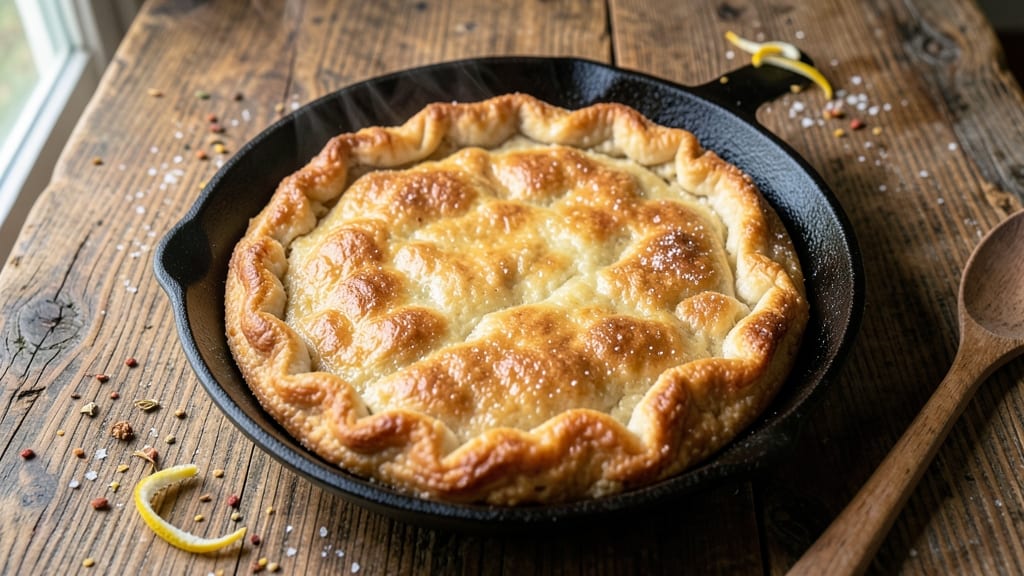
This Amish fried pie dough recipe delivers the legendary crispy, flaky layers that stay golden and crunchy even after hours of serving.
The secret lies in a high-fat dough made with lard or shortening—traditionally used in Amish communities for its superior flakiness—along with precise handling that creates those signature air pockets.
I've perfected this technique over years of testing, ensuring every bite delivers that satisfying crunch without turning greasy, a common pitfall with homemade versions.
The dough's magic comes from cutting cold butter into the flour mixture until it resembles coarse crumbs, then folding and chilling repeatedly to develop layers. This method creates the signature "flaky" texture that makes fried pies so irresistible.
While traditional Amish recipes often use buckwheat or cream fillings, I've included versatile options like apples or berries that work beautifully with this dough—each bite combines crispy crust with warm, spiced filling.
The key to success is patience: letting the dough rest properly between folds ensures those buttery layers stay distinct and crisp.
What you'll end up with is a fried pie that's crispy on the outside and tender on the inside, with a golden-brown crust that stays perfect even after being sliced and served. The aroma alone—warm pie crust mingling with spiced filling—will have everyone gathering around your table.
This recipe serves 6-8, making it ideal for family gatherings or church potlucks where fried pies are a beloved tradition. The best part? You can prepare the dough ahead and fry it fresh when ready to serve.
For authentic Amish flavor, consider adding a sprinkle of cinnamon sugar to the hot oil before frying, or serving with vanilla ice cream and whipped cream on the side. The possibilities for fillings are endless—try classic apple, blackberry, or even sweet potato for a savory-sweet variation.
Let's get started on creating this timeless dessert that brings comfort and tradition to your table.
Ingredients for amish fried pie dough
Just eight ingredients for that legendary Amish fried pie crust—crispy, flaky, and golden.
| Ingredient | Amount | Notes |
|---|---|---|
| All-Purpose Flour 🌾 | 3 ½ cups | White flour for classic texture |
| Lard or Shortening 🧈 | 1 ½ cups | Traditional lard for authentic flakiness |
| Unsalted Butter 🧈 | ½ cup | Cold, cubed for layering |
| Granulated Sugar 🍚 | 1 tbsp | For subtle sweetness |
| Salt 🧂 | 1 tsp | Kosher or sea salt preferred |
| Ice Water 💧 | ¼ cup | Chilled for binding |
| Vegetable Oil 🫒 | 2 cups | For deep frying (peanut or canola works) |
| Cinnamon Sugar 🍯 | ¼ cup | Optional for topping (mix 0.25 cup sugar + 1 tsp cinnamon) |
The fat is everything here. Lard gives the classic Amish flakiness, but shortening works too if you prefer. Grab leaf lard from the butcher section—not the processed kind. If you're using butter, make sure it's cold (freeze it 20 minutes first). The flour? King Arthur or Gold Medal—they're consistent. I always measure by weight (140g for 3.5 cups) for accuracy, but cups work fine too. The sugar and salt are just for balance—don't skip them, but don't overdo it either.
No lard? Crisco or vegetable shortening is the next best thing. Butter-only dough works but won't be as flaky—mix half butter, half shortening if you're feeling experimental. Running short on oil? Corn oil has a higher smoke point than peanut or canola. The cinnamon sugar topping is optional but worth it—Trader Joe's has a great pre-mixed version if you're lazy. For the water, ice water is key—room temp won't give you those perfect layers. And if you're making a big batch, double the recipe—this dough keeps beautifully in the fridge for up to 5 days or frozen for 3 months.
This dough needs patience—chill it between folds or you'll end up with a greasy mess. Store leftover dough wrapped in plastic between parchment paper in the fridge. For frying, 350°F oil is perfect—test with a wooden stick. Once fried, keep warm in a 200°F oven on wire racks. The cinnamon sugar topping? Sprinkle it right after frying while still hot. These pies stay crispy for hours if you keep them warm—perfect for potlucks or family gatherings.
Why You'll Love This Recipe
- No-Fuss Mixing: I swear by the 2-minute cut-in method—just toss flour, lard, and butter together until it almost looks like it’s holding. The sugar adds a subtle sweetness that balances the flaky layers, and honestly? No food processor required.
- Golden Crunch Magic: That crispy, caramelized edge? Pure reward. The lard keeps it tender while the butter adds richness, and the sugar caramelizes just enough to make every bite taste like a little victory. (Yes, even on a Tuesday night.)
- Pie or Fritter: Use it for pies, of course, but also turn it into hand pies, fried chicken tenders, or even a dessert fritter. The dough’s forgiving texture holds up to anything—sweet, savory, or somewhere in between.
- Budget-Friendly Staples: Flour, lard, and butter? Pantry basics. No specialty ingredients, no markups. Leftovers? Roll them up, freeze them, and fry later—no waste, all flavor. My wallet and I both approve.
Step-by-step instructions for Amish fried pie dough
Here's how to create that legendary flaky, golden crust that stays crispy for hours.
Cut in the Fat for Perfect Layers
In a large mixing bowl, combine the 3.5 cups all-purpose flour, 1 tablespoon granulated sugar, and 1 teaspoon salt. This dry mix is your foundation - don't skip measuring precisely, as these amounts create the ideal texture.
Add the 1.5 cups lard or shortening (cold and cubed) and the 0.5 cup unsalted butter (also cold and cubed). Using two knives or a pastry cutter, work the fat into the flour mixture until you reach pea-sized crumbs. I like to press the fat pieces down with the knives and twist them slightly - this creates those signature flaky layers that make Amish fried pie dough legendary. If you don't have a pastry cutter, your fingers work fine, but keep the mixture cold by working quickly.
Add Ice Water for Binding
Gradually add the 0.25 cup ice water, 1 tablespoon at a time, mixing gently with a fork or your fingers. The dough should just come together when pressed - it won't be smooth or sticky, but rather crumbly and shaggy. This texture is perfect for fried dough. If the dough feels too dry, add another teaspoon of ice water. Too wet? Sprinkle in a little more flour. The key is to handle the dough as little as possible at this stage to avoid developing gluten.
Once combined, form the dough into a disk, wrap it in plastic wrap, and refrigerate for at least 30 minutes. This chilling step is crucial - it firms up the fat and makes rolling easier. I usually chill mine for about an hour if I have time, but 30 minutes works in a pinch.
Roll and Cut for Frying
On a lightly floured surface, roll the chilled dough to about 1/8-inch thickness. I find it helpful to roll from the center outward, rotating the dough as I go to maintain even thickness. The dough will be delicate - handle it gently to prevent tearing. Cut the rolled dough into desired shapes (traditional Amish fried pie dough is often cut into squares or rectangles).
Heat 2 cups vegetable oil in a deep fryer or heavy pot to 350°F. The oil should be hot enough that a small piece of dough sizzles when dropped in. Fry the dough pieces in batches (don't overcrowd the pot) for 2-3 minutes per side until golden brown. I use a slotted spoon to turn them carefully - they'll float when ready. Drain on paper towels and immediately sprinkle with the 0.25 cup cinnamon sugar while still warm. The sugar will melt slightly, creating that perfect sweet-salty crust.
Keep Warm and Serve
Transfer the fried dough to a wire rack set over a baking sheet to keep it crispy. Serve immediately while still warm and golden. The secret to perfect Amish fried pie dough is in the frying - the oil must be at the right temperature and the dough needs to cook just until golden. If you fry too long, it'll get soggy. If too short, it won't be crispy enough. That 2-3 minute window is your target for perfect texture.
For serving, I like to arrange the fried dough pieces on a platter and keep a bowl of cinnamon sugar nearby for guests to sprinkle on top. The combination of crispy, flaky layers with that sweet cinnamon coating is what makes this recipe so special. And remember - the dough stays crispy for hours when kept warm, so make plenty!
Pro Tips For Making Amish Fried Pie Dough
- CHILL THE FAT FIRST: Lard and butter straight from the fridge are harder to work with—soften them to room temp (about 20 minutes) before mixing. I used to eyeball it and end up with clumps, but this guarantees a smooth, flaky texture that doesn’t fight back when rolling.
- CUT FAT INTO FLOUR: Use a pastry cutter or two knives to slice cold lard/butter into the flour until you see pea-sized pieces. Overmixing turns the dough tough, but underdoing it means uneven flakiness—aim for a crumbly, sandy texture before adding liquid.
- DON’T SKIP THE REST: Wrap the dough in plastic and let it rest 30 minutes before frying. This relaxes the gluten, so it doesn’t shrink or puff up unevenly in hot oil. I learned this after frying lumpy, sad-looking pies that looked more like dumplings.
- USE A THERMOMETER: Heat oil to 360°F (182°C)—any hotter and the dough burns before it’s golden; too cool and it soaks up oil like a sponge. A cheap thermometer is worth it; my first batch turned greasy because I guessed wrong.
Troubleshooting great amish fried pie dough
Dough Too Greasy
If your fried pie dough turns out greasy instead of crispy, you likely overworked the fat or didn't chill the dough properly. The key is to handle the dough as little as possible when mixing—just until pea-sized crumbs form.
Also, ensure your lard or shortening is completely cold before cutting it into the flour. I've found that 30 minutes of chilling between folds is non-negotiable for keeping those buttery layers distinct.
If the dough feels too warm during rolling, pop it back in the fridge for 10-15 minutes to firm up. 🧈
Crust Not Flaky Enough
For that signature Amish flakiness, the fat must stay solid during the chilling process. If your crust lacks layers, your dough might have warmed up too much.
I recommend using a pastry cutter or two knives to work the fat into the flour—never your hands, as body heat will melt the butter too quickly. Also, avoid over-rolling the dough; keep it 1/8-inch thick maximum.
If you're using butter instead of lard, mix in ½ cup shortening for better results. 🥧
Dough Sticking to Surface
If your dough sticks while rolling, it's either too warm or lacks proper flouring. Lightly dust your work surface with all-purpose flour before rolling, and use a rolling pin that's been chilled in the freezer for 5 minutes to prevent sticking.
I also recommend rolling the dough between two sheets of parchment paper for easier handling. If the dough still sticks, it may need another 10 minutes of chilling to firm up. 🍞
Oil Too Hot or Cold
The oil temperature is everything when frying—too hot and your dough burns; too cold and it absorbs oil and turns greasy. Use a deep-fry thermometer to maintain 350°F oil. If your dough browns too quickly, lower the heat to 340°F.
For a quick test, drop a small piece of dough in—it should sizzle gently and float within 10 seconds. Fry in batches to avoid overcrowding, which lowers oil temperature. 🔥
Fried Dough Losing Crisp
If your fried dough loses crispness after sitting, it absorbed too much oil or wasn't drained properly. Drain on a wire rack over a baking sheet to allow air circulation, and keep the oven at 200°F to maintain crispness.
For extra crunch, sprinkle with cinnamon sugar immediately after frying while still hot. If the dough feels soggy, it likely cooked too long—stick to 2-3 minutes per side for perfect texture. 🍯
Dough Not Holding Shape
If your dough tears or doesn't hold its shape, it's either too dry or too wet. For a shaggy, crumbly texture (perfect for fried dough), handle it minimally. If it feels too dry, add 1 teaspoon ice water at a time.
Too wet? Sprinkle in 1 tablespoon flour and knead gently. Also, ensure your rolling pin is clean and dry—any moisture will make the dough stick and tear. 💧
Nutrition facts
Frequently asked questions
Can I use butter instead of lard for this recipe?
You can substitute butter, but for authentic Amish flakiness, use a 50/50 mix of butter and shortening. Pure butter melts too quickly during frying, which can make the crust greasy. If you prefer all butter, chill it extra long (1 hour) and work quickly when cutting it into the flour.
How do I store leftover fried pie dough?
Keep fried dough crispy by storing it in an airtight container at room temperature for up to 2 days. For longer storage, freeze the fried pieces for 1 month. Reheat in a 350°F oven for 5-10 minutes to restore crispness. The key is to avoid condensation—place parchment paper between layers.
What's the best way to fill an Amish fried pie?
Traditional options include apple butter, blackberry jam, or sweet potato filling. For a modern twist, try whipped cream or vanilla pudding between layers. The filling should be thick enough to stay put when fried—thin fillings will leak. Pre-cook fillings to 165°F before assembling.
Why does my fried dough turn out dense instead of flaky?
Overworking the dough or skipping chilling are common culprits. Handle the dough minimally after mixing—just until pea-sized crumbs form. Also, ensure your fat (lard/shortening) stays cold. If the dough feels warm during rolling, chill it 10-15 minutes longer. The 1/8-inch thickness is critical for even cooking.
Can I make this dough ahead of time?
Yes! Prepare the dough 1 day ahead and refrigerate wrapped in plastic. For best results, let it sit at room temperature for 30 minutes before rolling. You can also freeze the dough for up to 3 months. Thaw in the fridge overnight before using. This saves time and ensures perfect texture.